Zum Hauptinhalt springen
Mike's Images
Menü
  • Externer Link wird in einem neuen Tab oder Fenster geöffnet
  • Externer Link wird in einem neuen Tab oder Fenster geöffnet
  • Externer Link wird in einem neuen Tab oder Fenster geöffnet

Bright Comets and Solar System

Click on images to enlarge them (might not work on your smartphone).
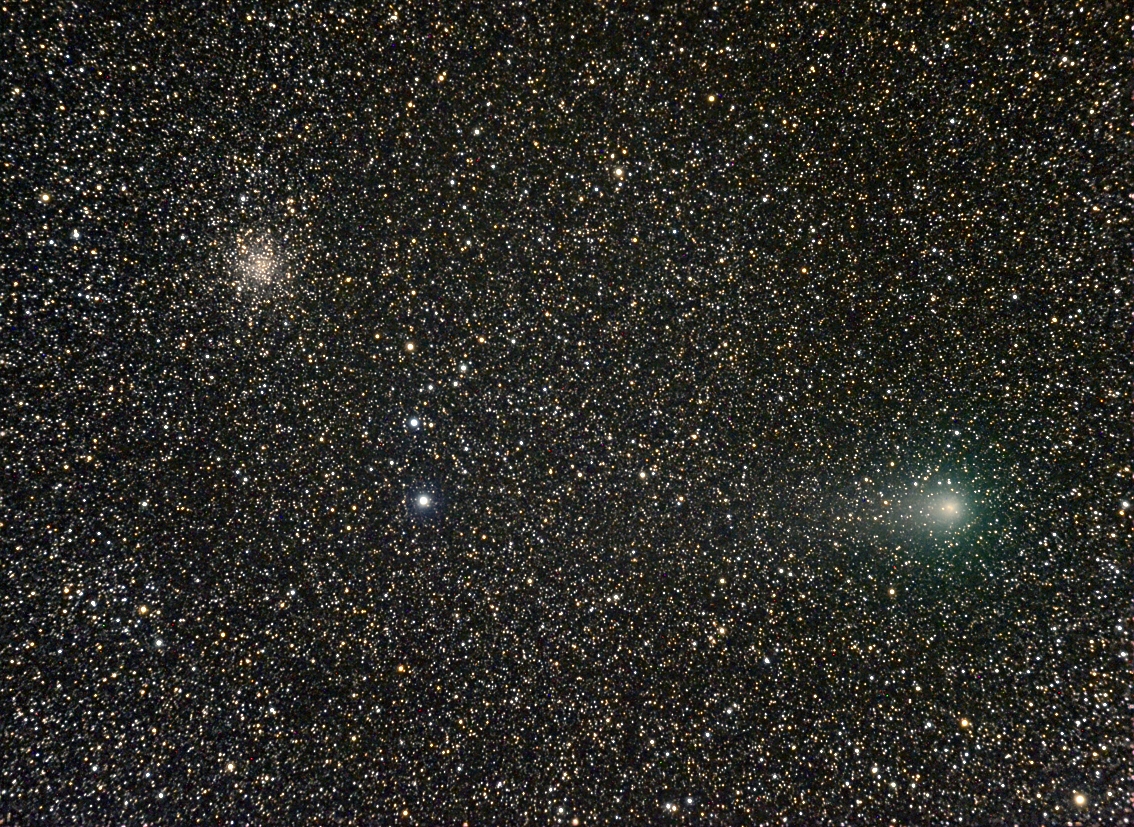


C/2009 P1 (Gerradd)
08.2011 older DSLR image
C/2009 P1 (Gerradd) 08.2011 older DSLR image
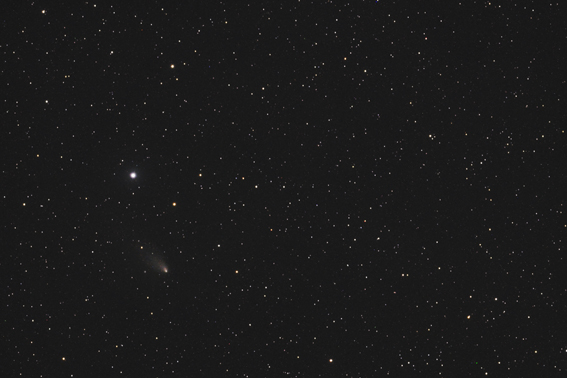
168P/Hergenrother
11.2012 older DSLR
168P/Hergenrother 11.2012 older DSLR
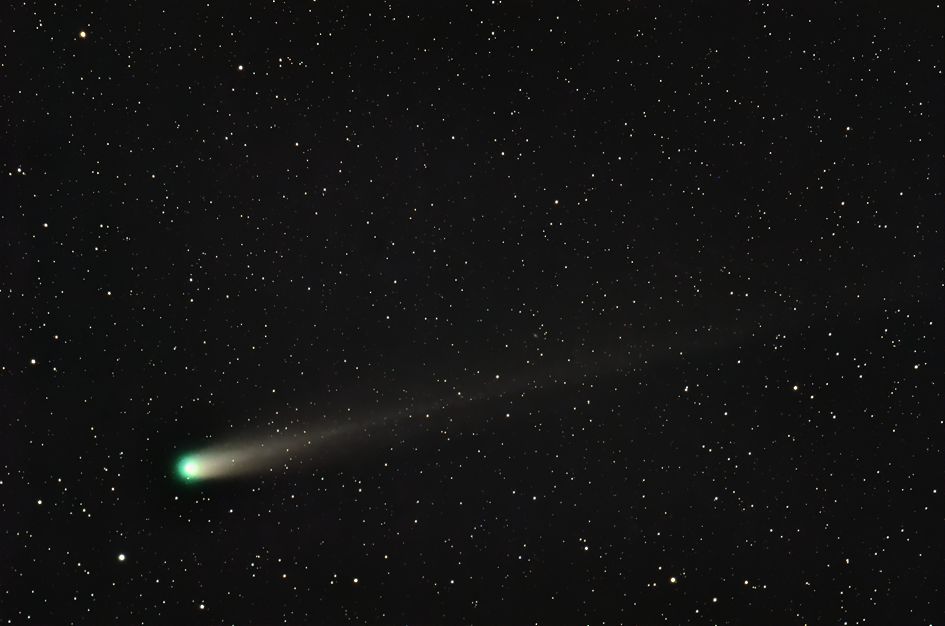
C/2013 R1 (Lovejoy)
12.2013 older DSLR image
C/2013 R1 (Lovejoy) 12.2013 older DSLR image
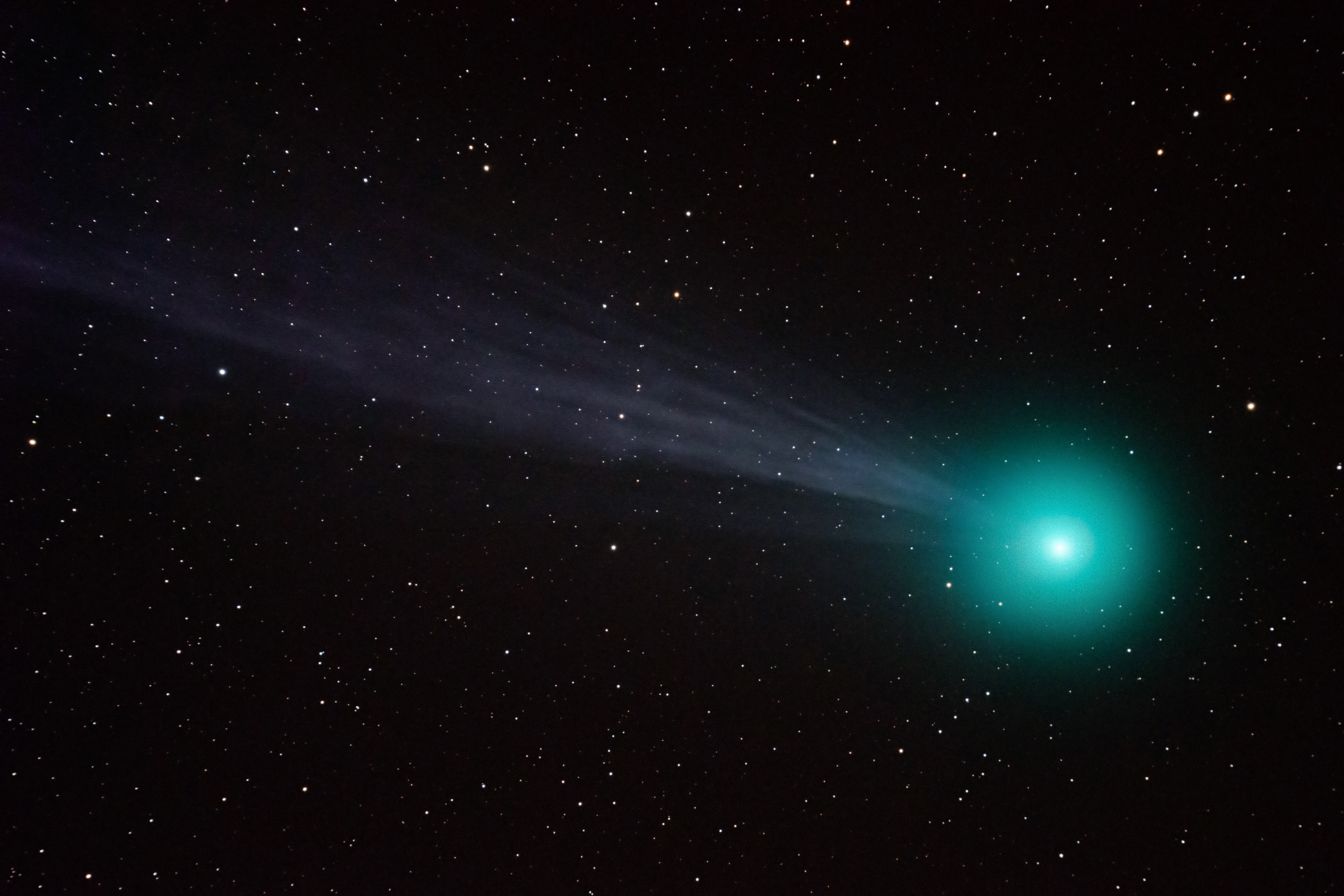
C/2014 Q2 Lovejoy
C/2014 Q2 Lovejoy, 13.01.2015 4" TMB, Nikon D7000, 5 x 4 min. at ISO 1600
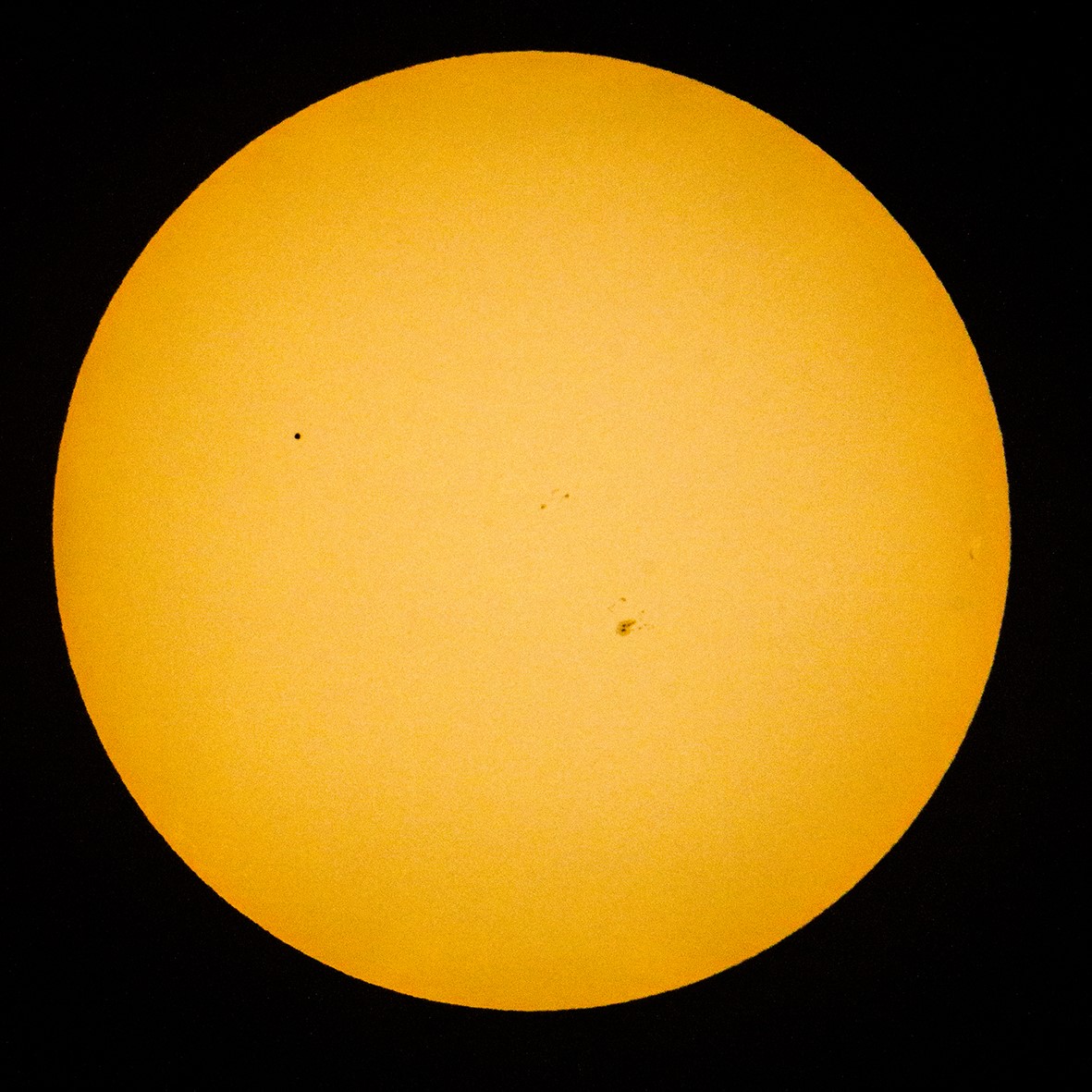
Mercury  Transit 05.2016
Mercury Transit 05.2016
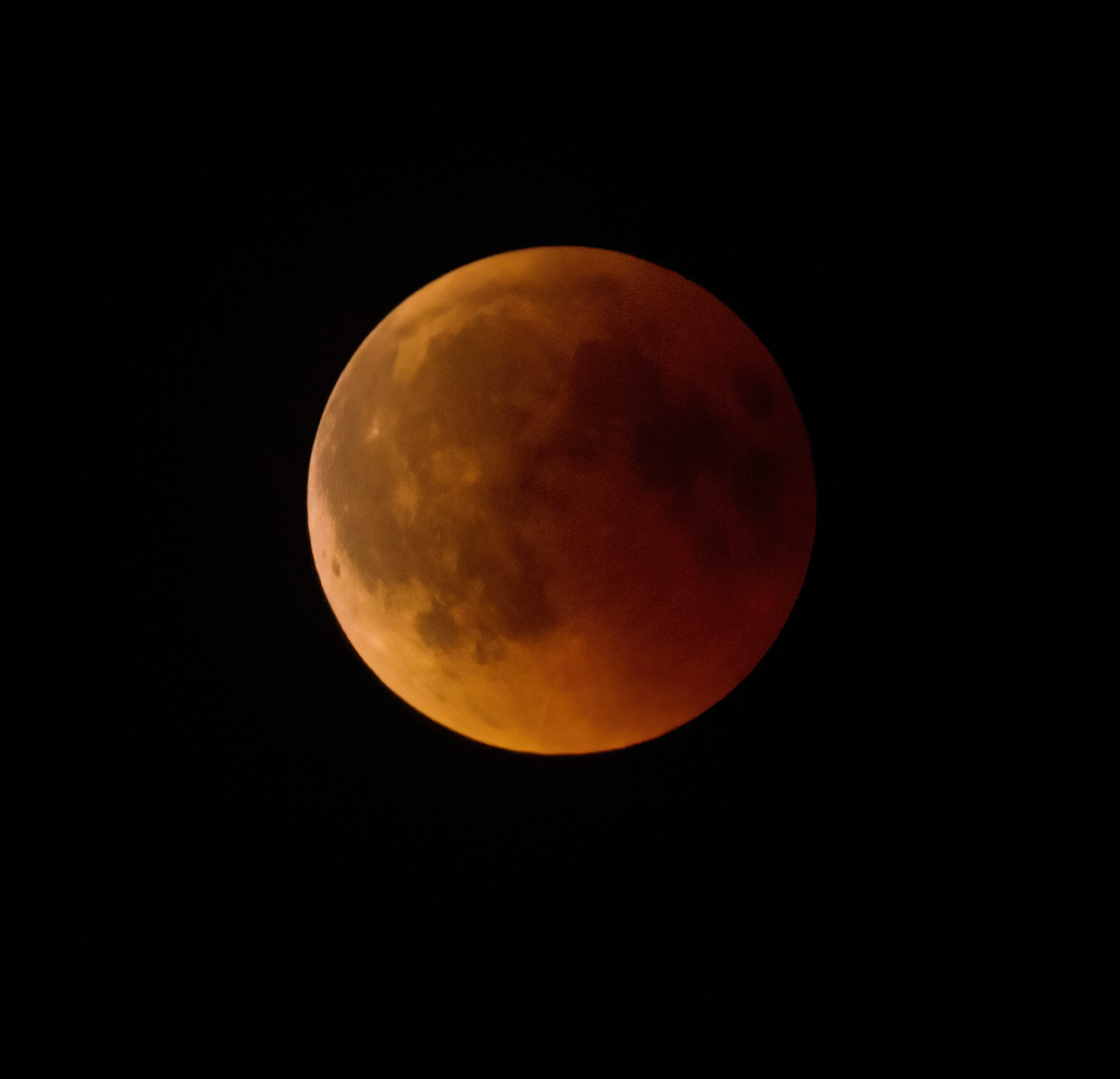
Total Lunar Eclipse, 27.08.2018
Total Lunar Eclipse, 27.08.2018 600mm | f/6,3 | 5 x 1/4 s | ISO 1600
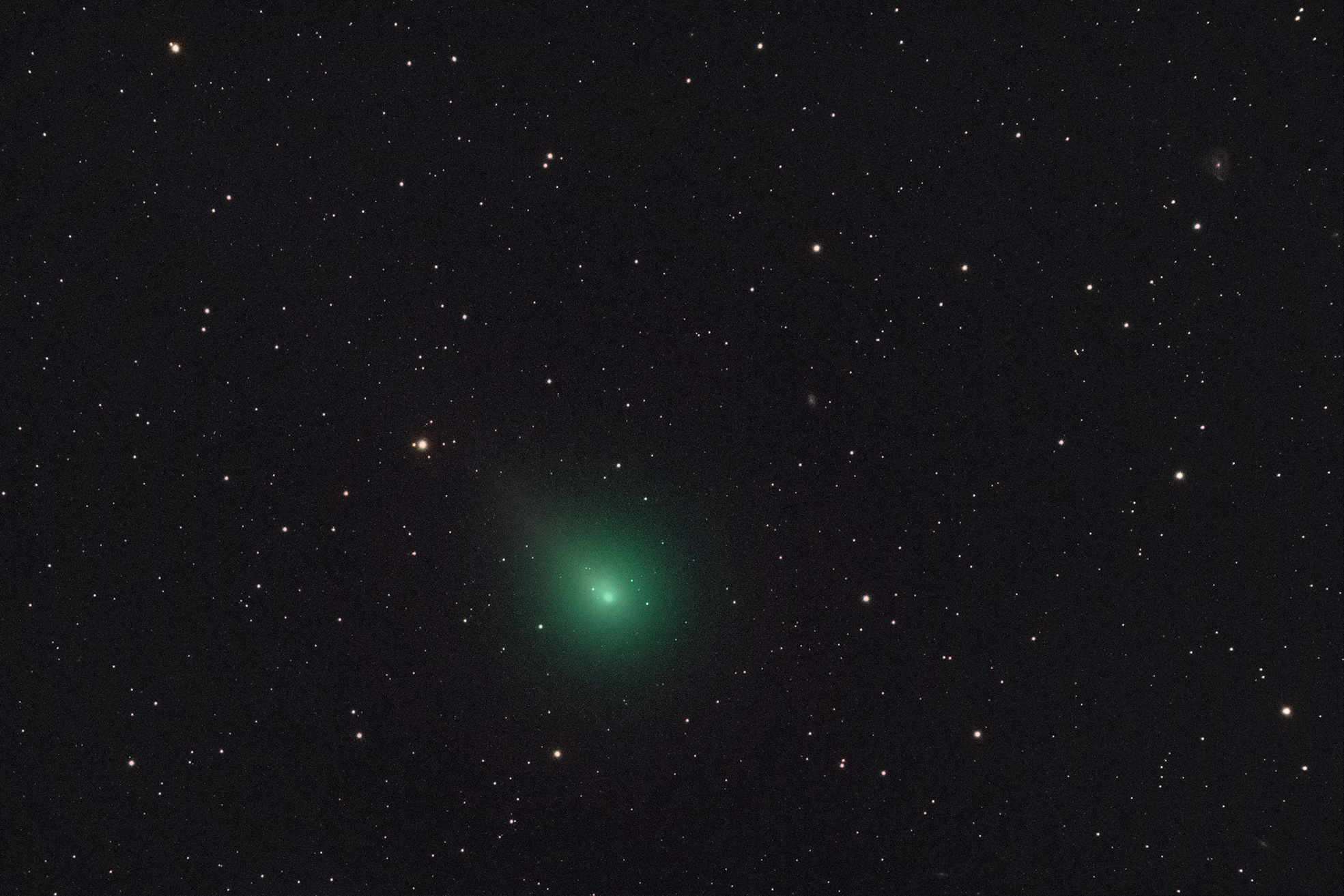
C/2018 Y1 Iwamoto, 14.02.2019
C/2018 Y1 Iwamoto, 14.02.2019 4" TMB, D7000, 40 x 30s, 4 x 4 min. guided on Comet, 4 x 4 min. guided on stars at ISO 1600
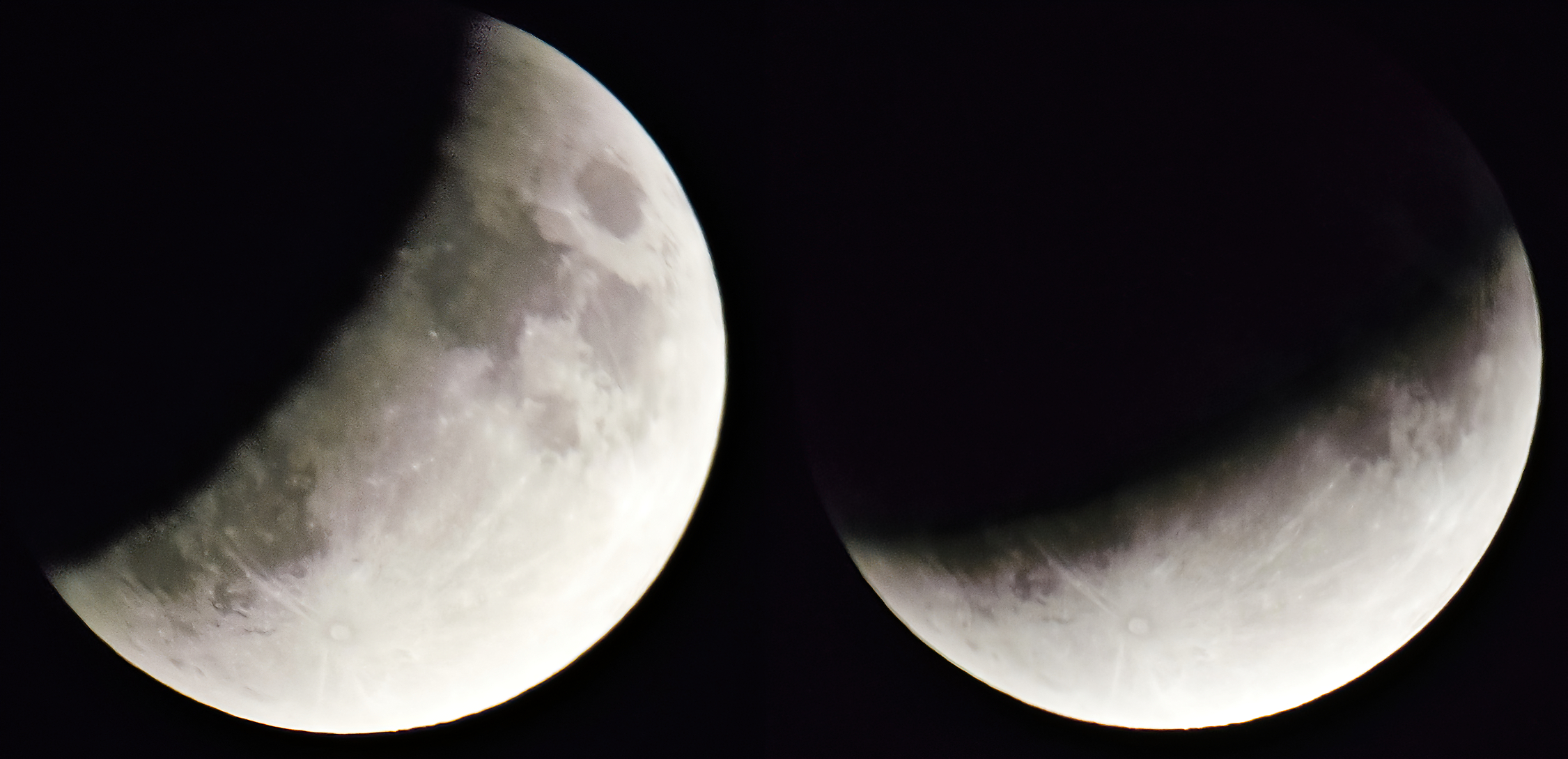
Partielle Mondfinsternis 16.07.2019
Partielle Mondfinsternis 16.07.2019 600mm | f/9 | 1/640s | ISO 500
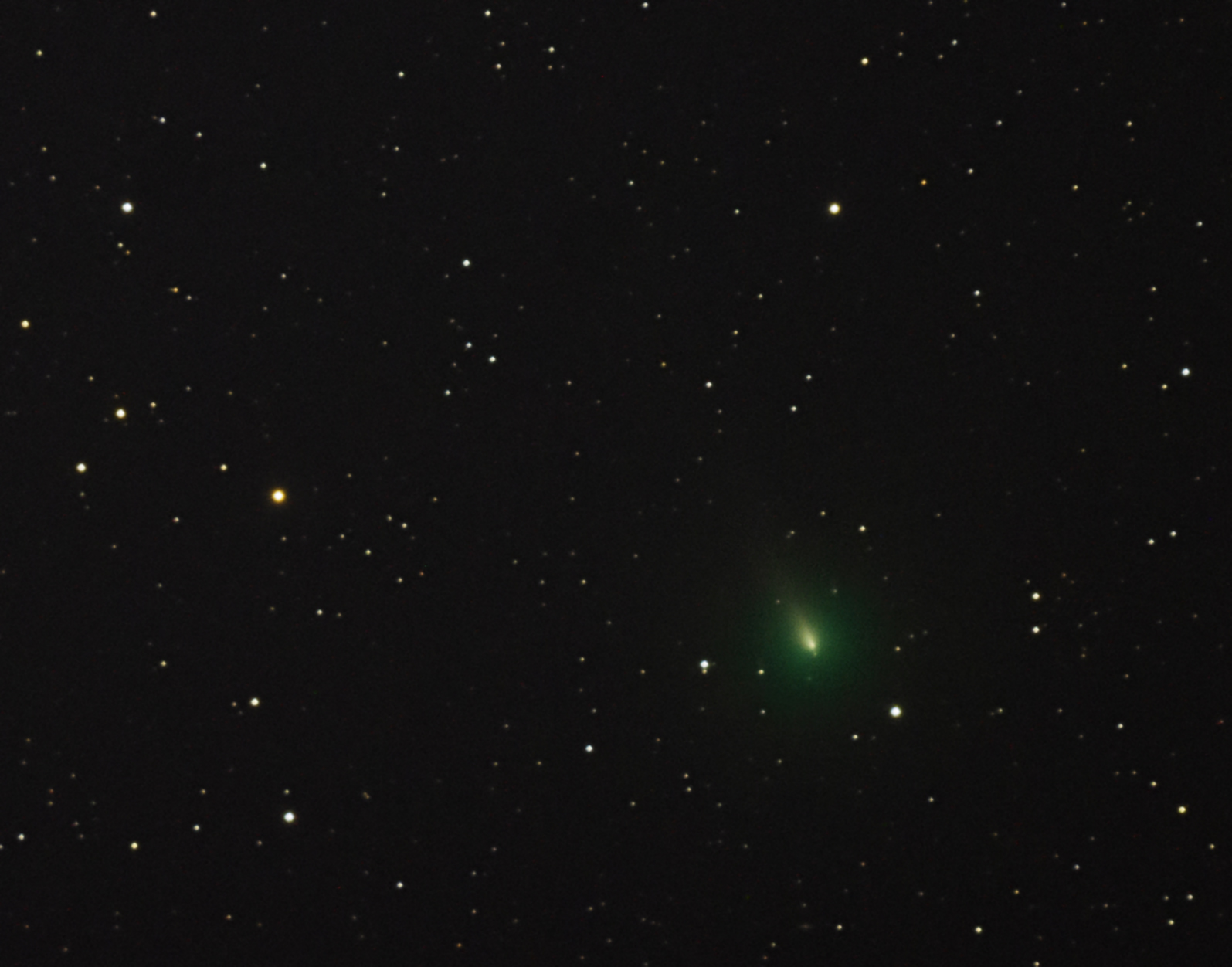
C/2019 Y4 (ATLAS)
C/2019 Y4 (ATLAS), 2.04.2020 4'' TMB, Nikon D7000, 6x 4 min at ISO 800
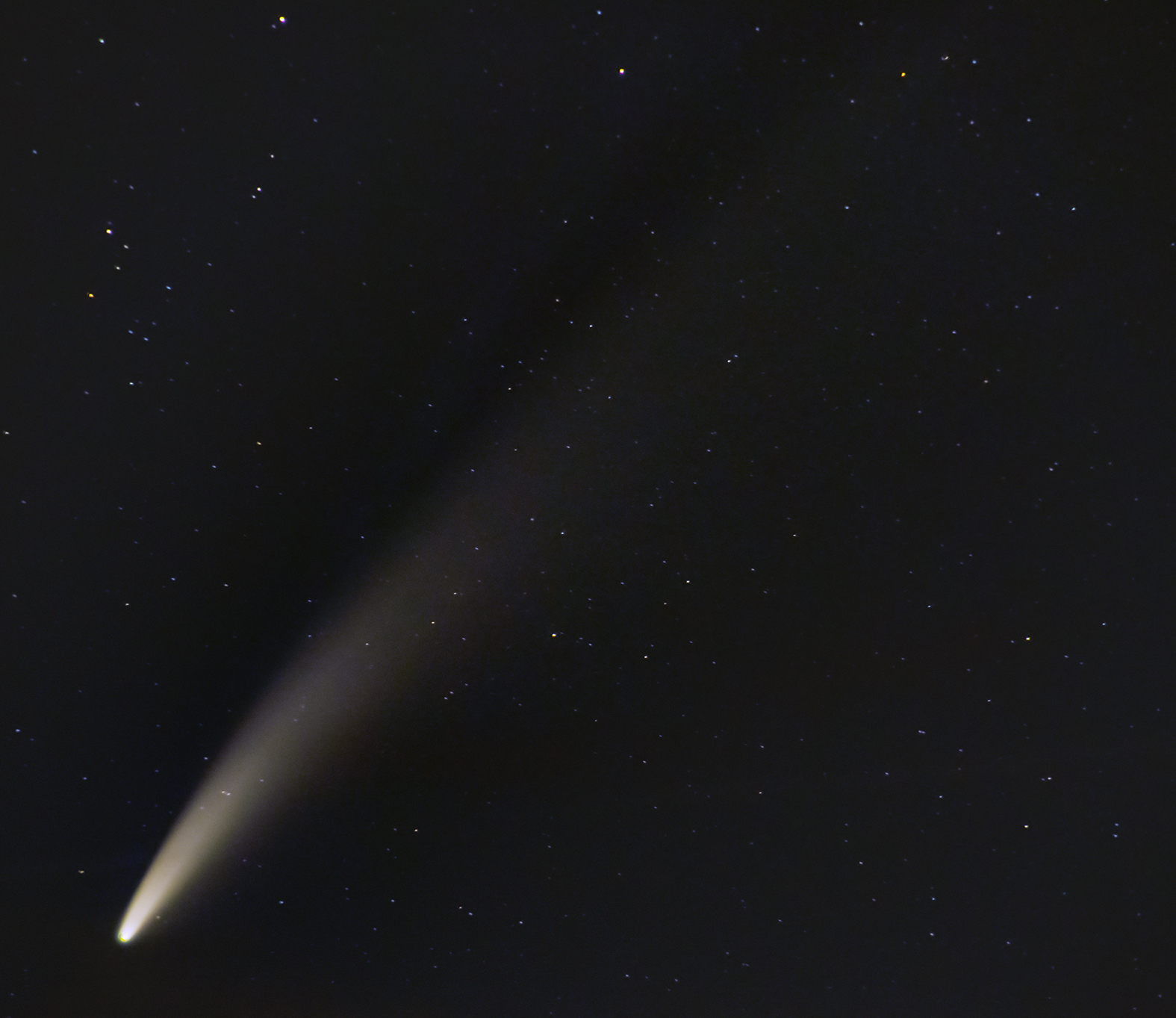
C/2020 F3 (NEOWISE)
C/2020 F3 (NEOWISE), 13.07.2020 200mm | f/5.6 | 15 x 3s | ISO 2000
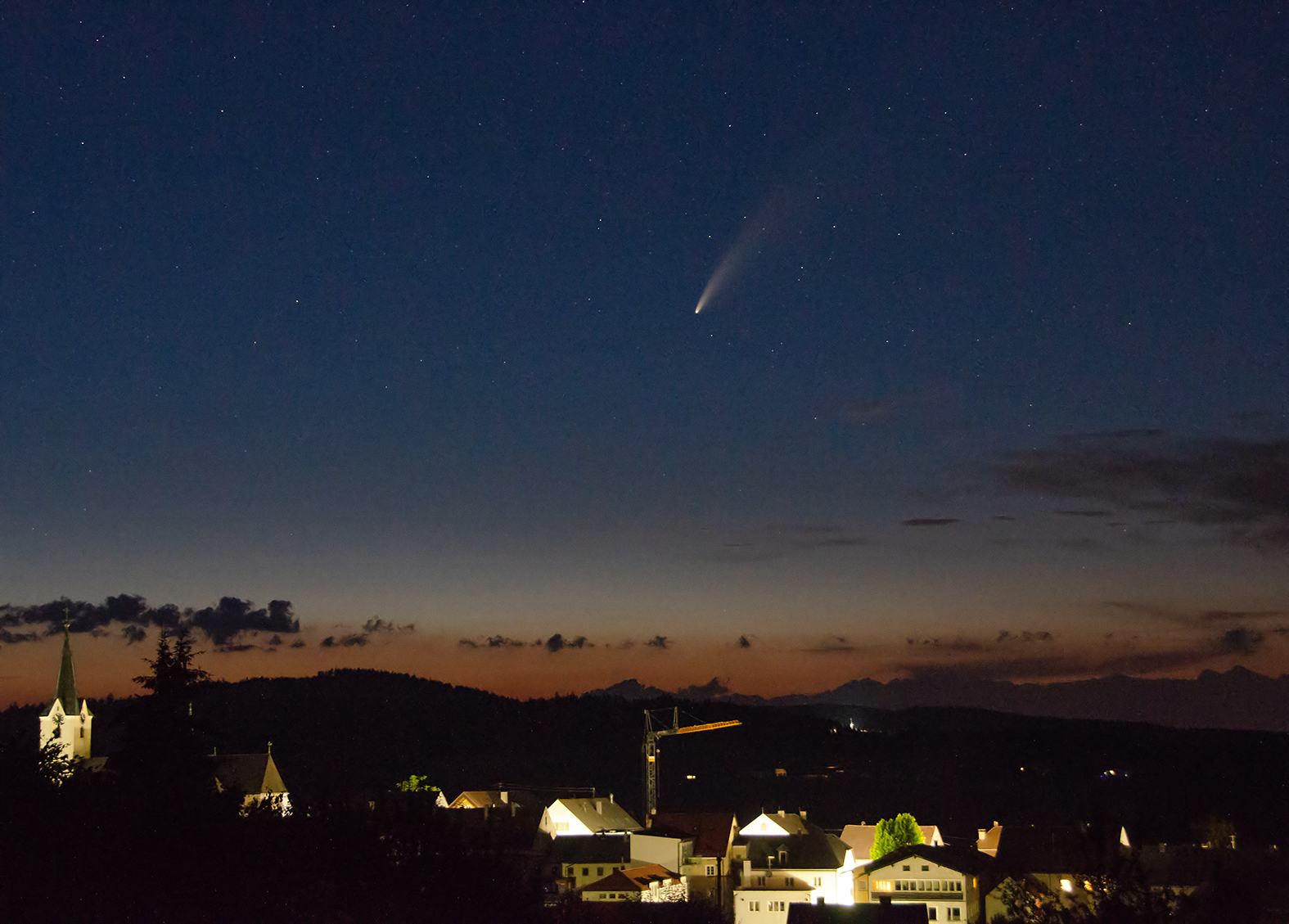
C/2020 F3 (NEOWISE)
C/2020 F3 (NEOWISE), 14.07.2020 40mm | f/5.6 | 4s | ISO 2000
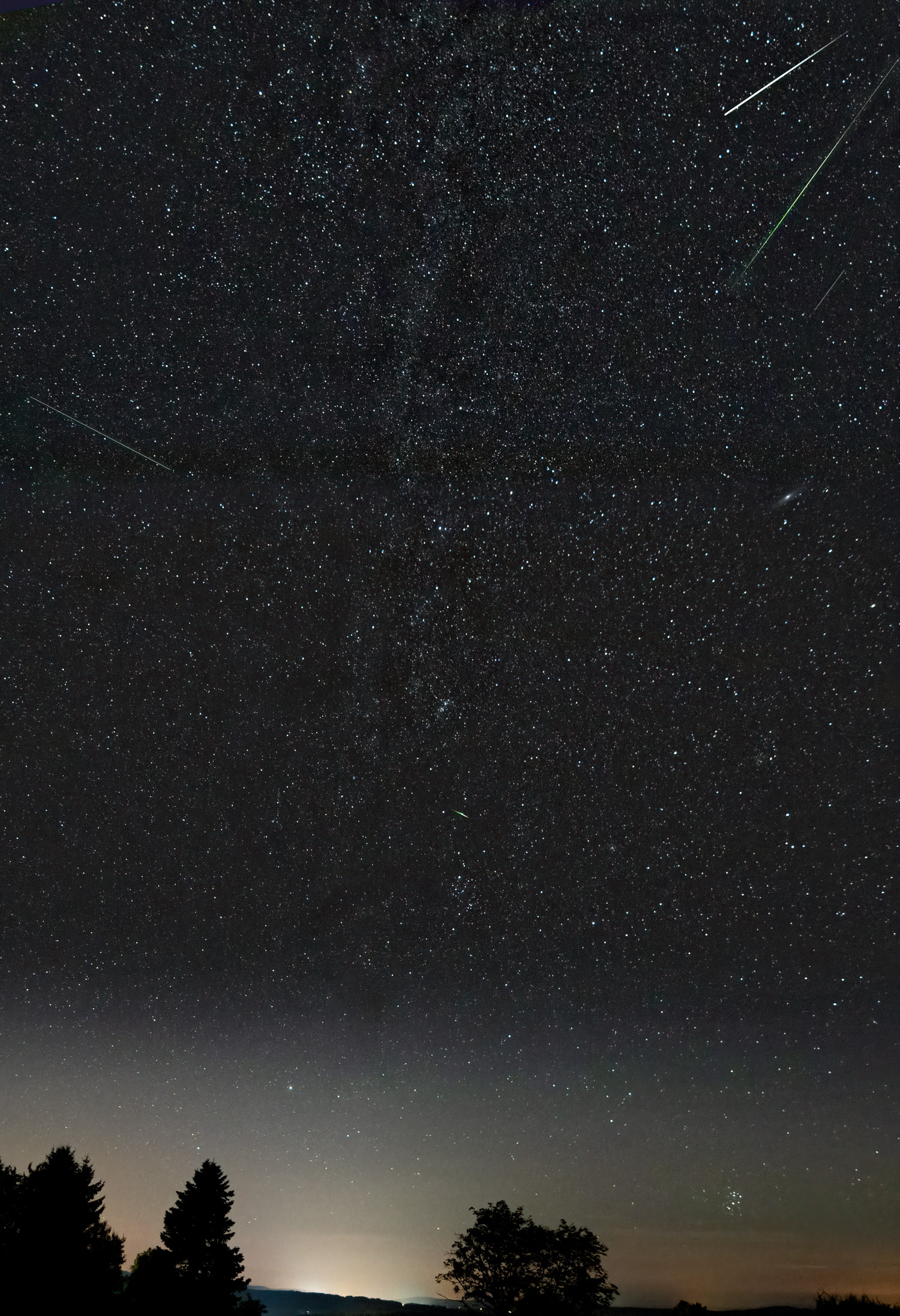
Persidennacht 13.08.2021
13 s, f/2.8, ISO 3200, 14 mm
Persidennacht 13.08.2021 13 s, f/2.8, ISO 3200, 14 mm
C/2022 E3 (ZTF)
C/2022 E3 (ZTF), 15.02.2023 4" TMB, Nikon D850 6 min. at ISO 1600
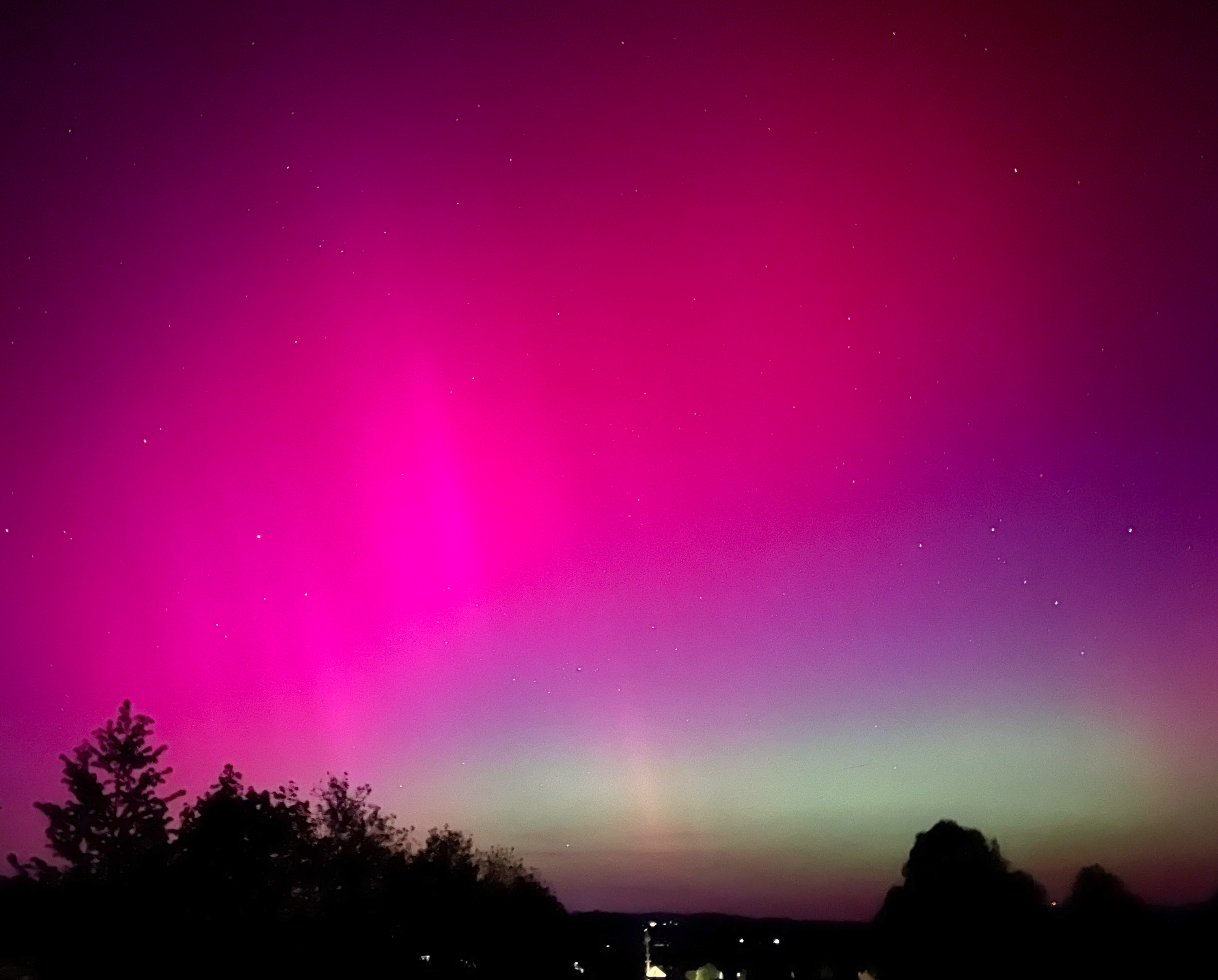
Northern Lights 10.05.2024
iPhone 13 Pro Max
Northern Lights 10.05.2024 iPhone 13 Pro Max
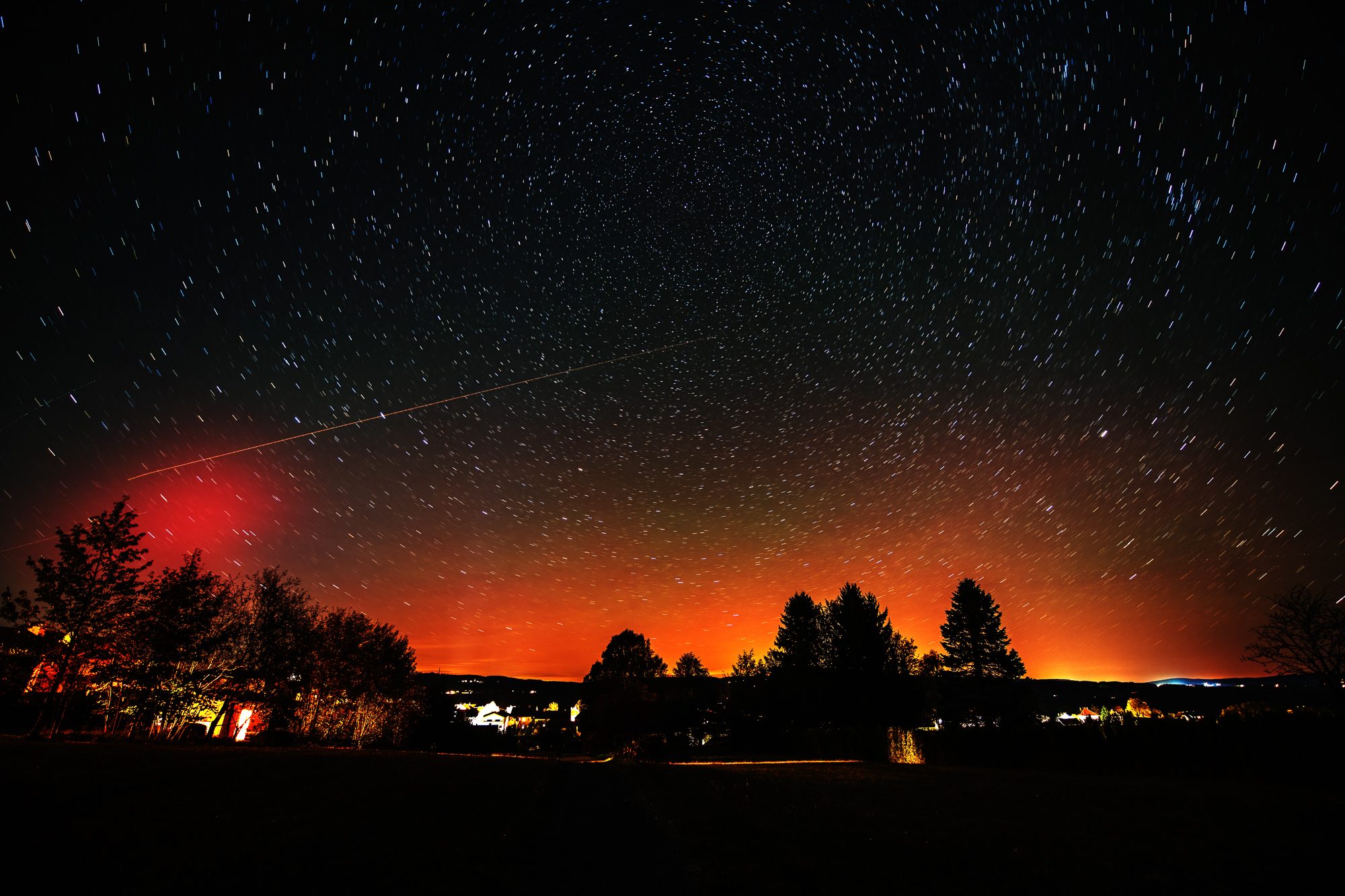
Polarlicht 7.10.2024
14-24mm, f/2.8, ISO 1600, 180s
D850
Polarlicht 7.10.2024 14-24mm, f/2.8, ISO 1600, 180s D850
C/2003 A3 (Tsuchinshan-ATLAS), 13.10.2024
14-24mm, f/2.8, ISO 1600, 30s
D850
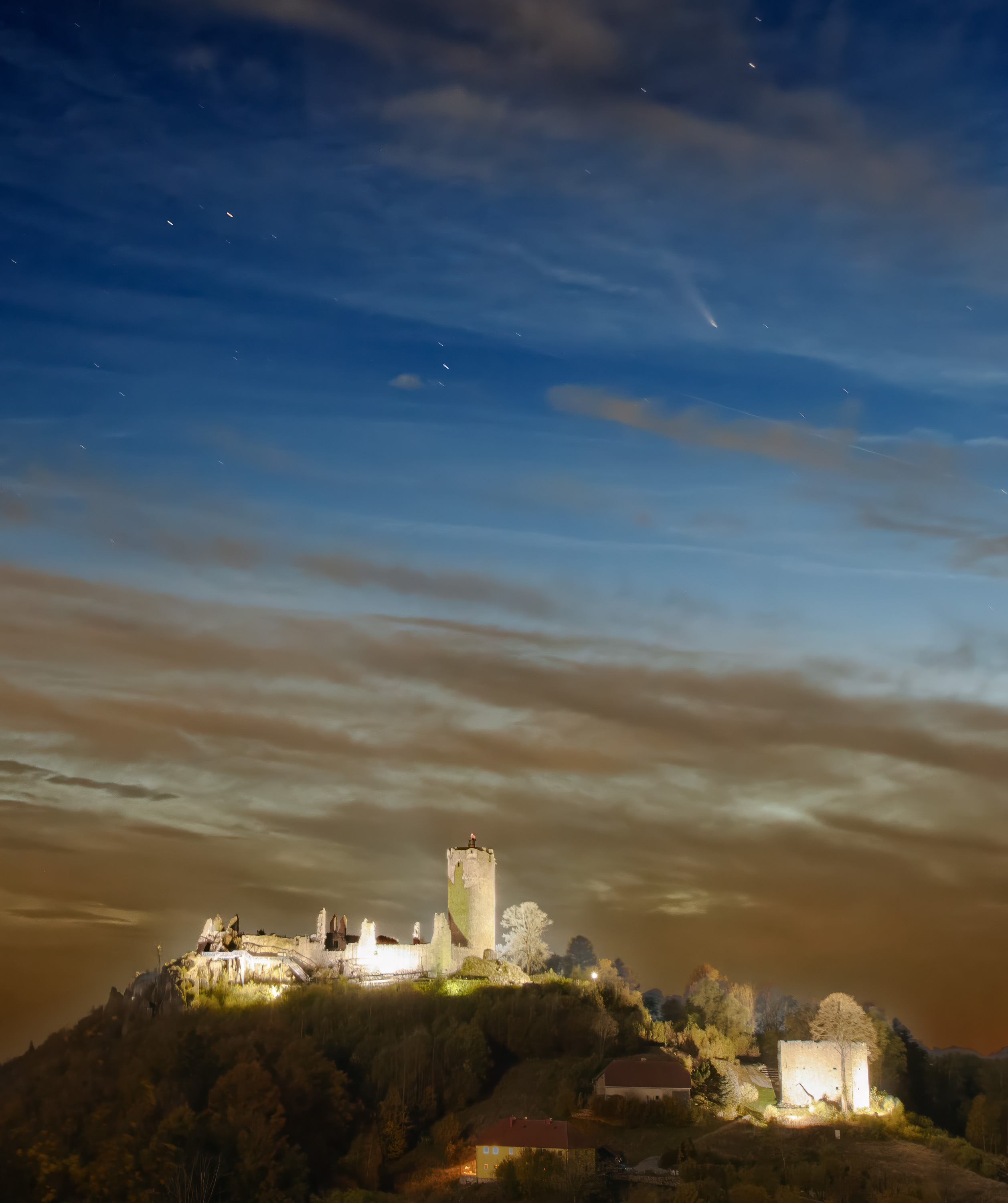
C/2003 A3 (Tsuchinshan-ATLAS), 13.10.2024 14-24mm, f/2.8, ISO 1600, 30s D850
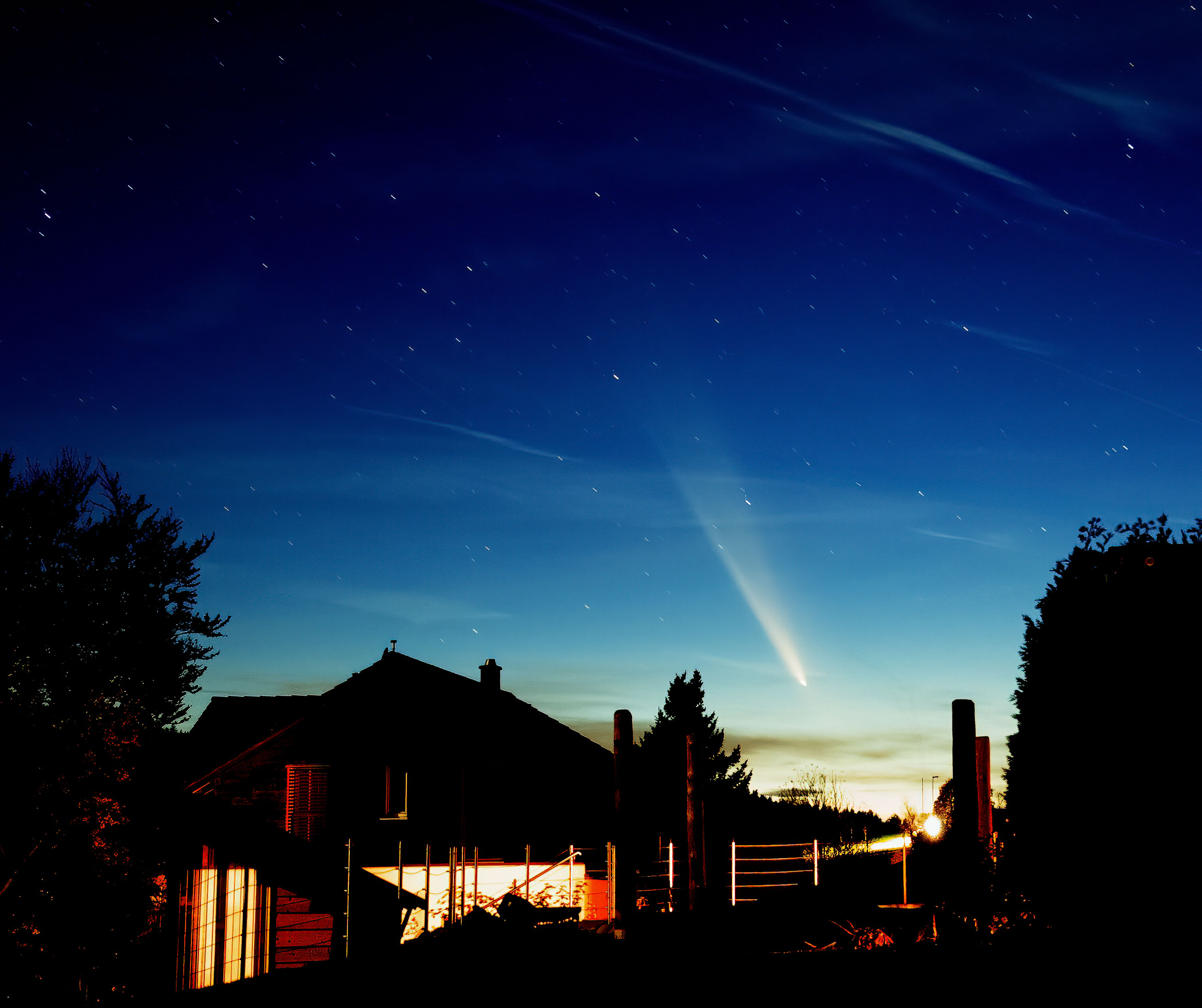
C/2003 A3 (Tsuchinshan-ATLAS), 16.10.2024
14-24mm, f/5.6, ISO 800,  30s
D850
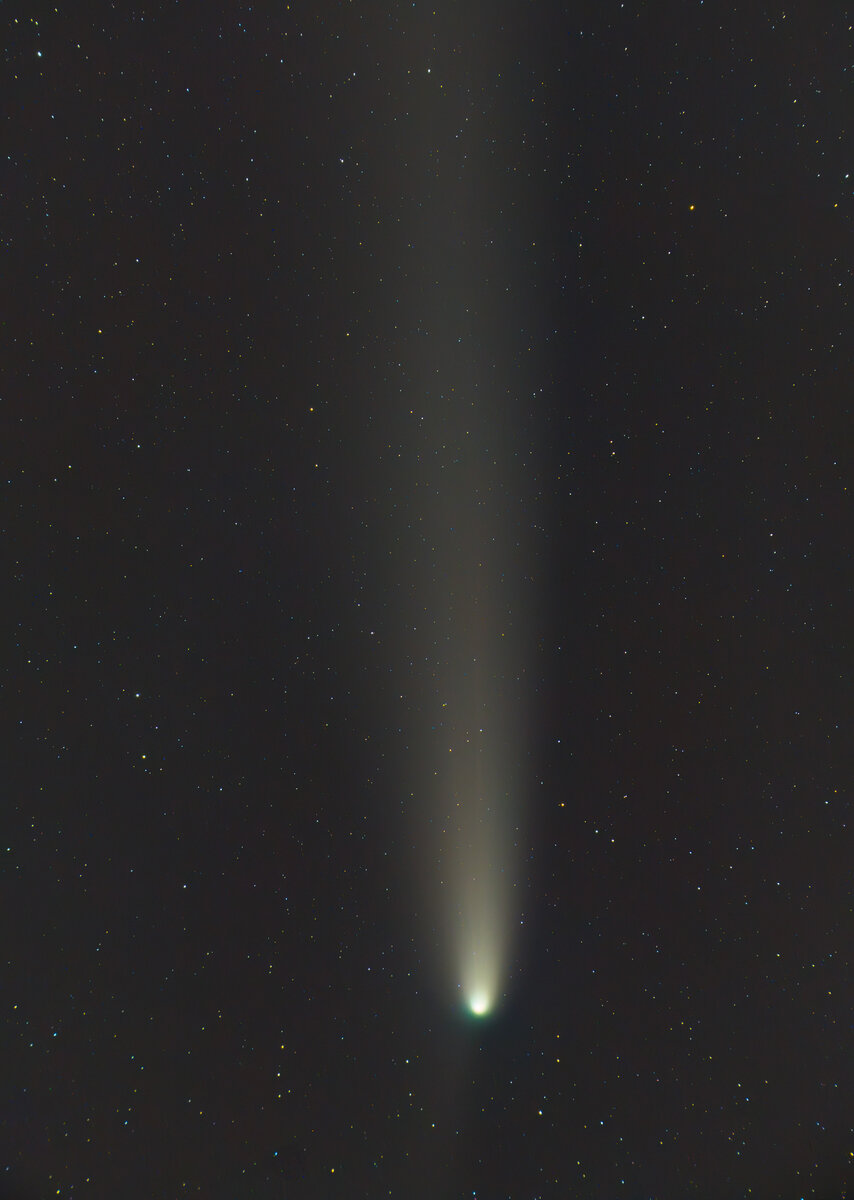
C/2003 A3 (Tsuchinshan-ATLAS), 16.10.2024 14-24mm, f/5.6, ISO 800, 30s D850
C/2003 A3 (Tsuchinshan-ATLAS), 20.10.2024
4" TMB, f/6.3
ISO 800, je 50s, 10x
D850
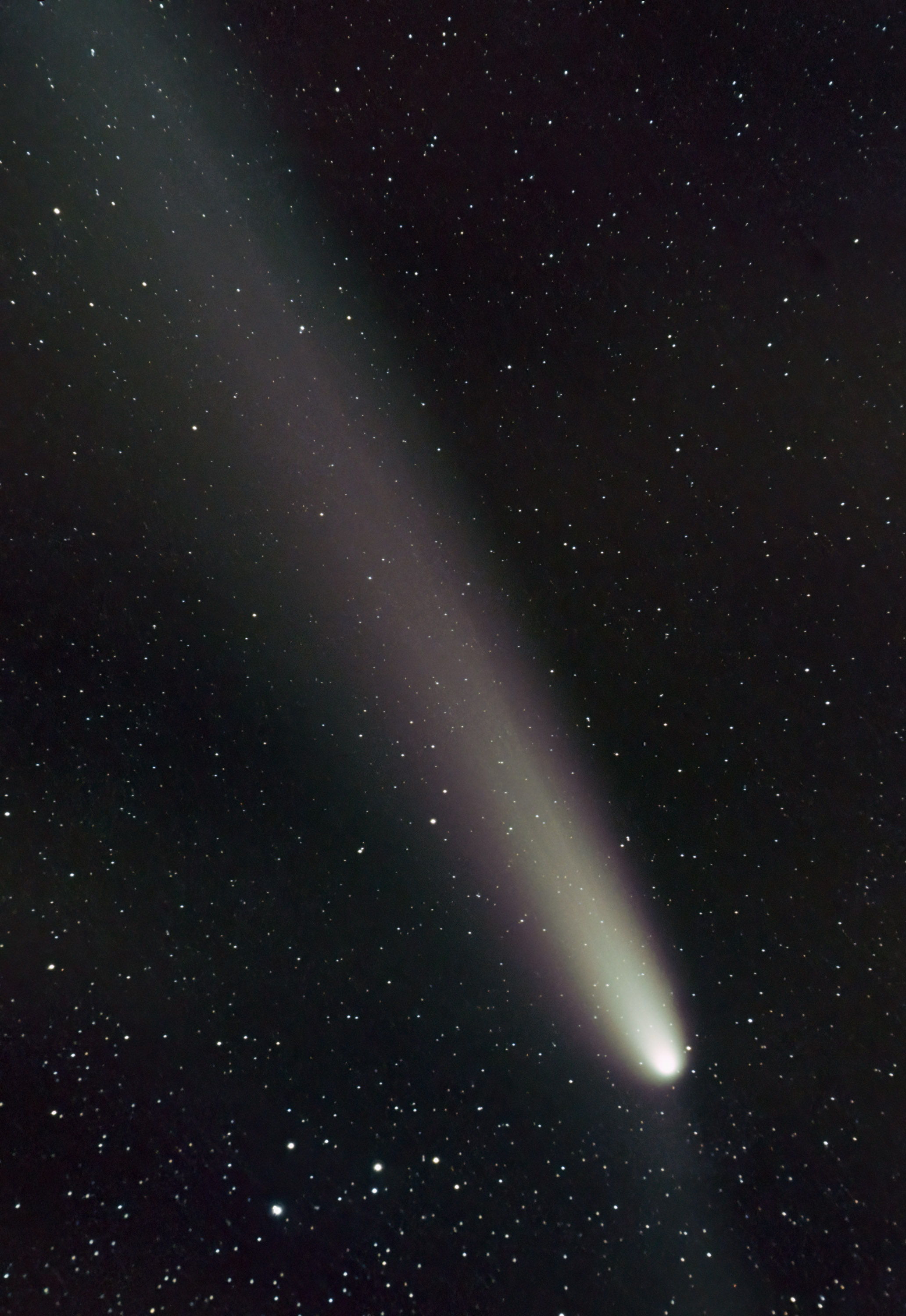
C/2003 A3 (Tsuchinshan-ATLAS), 20.10.2024 4" TMB, f/6.3 ISO 800, je 50s, 10x D850
C/2003 A3 (Tsuchinshan-ATLAS), 21.10.2024
4" TMB, f/6.3
ISO 800, 150s, 5x
D850
C/2003 A3 (Tsuchinshan-ATLAS), 21.10.2024 4" TMB, f/6.3 ISO 800, 150s, 5x D850
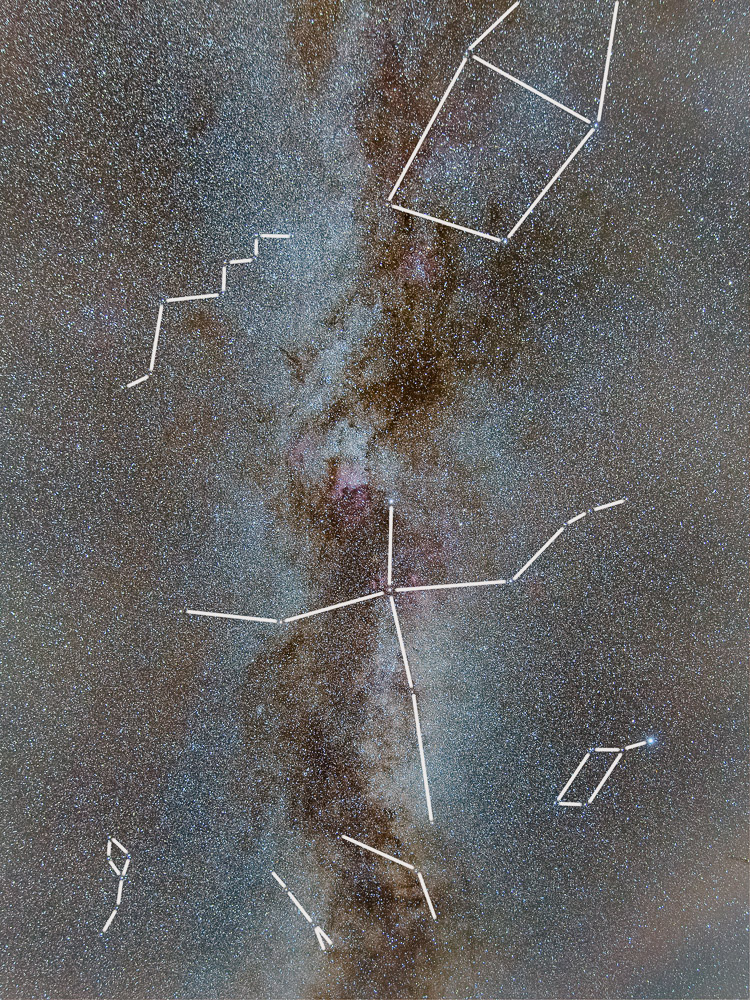
Milky Way Cygnus
14mm, f/2.8, ISO 800, 8x 3 min.
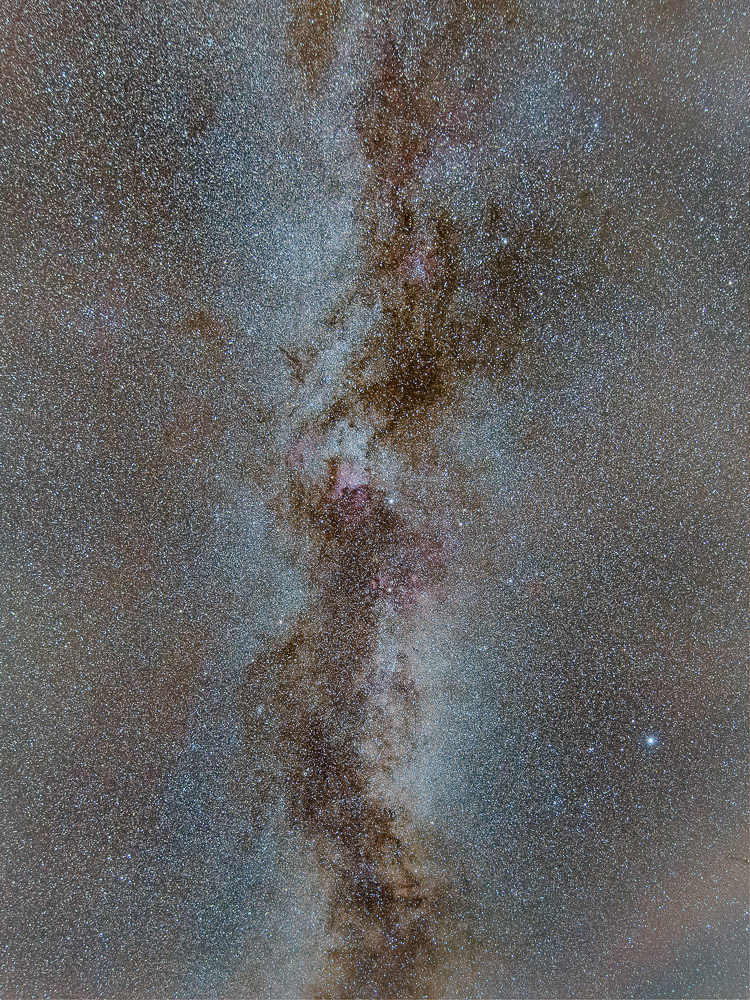
Milky Way Cygnus 14mm, f/2.8, ISO 800, 8x 3 min.
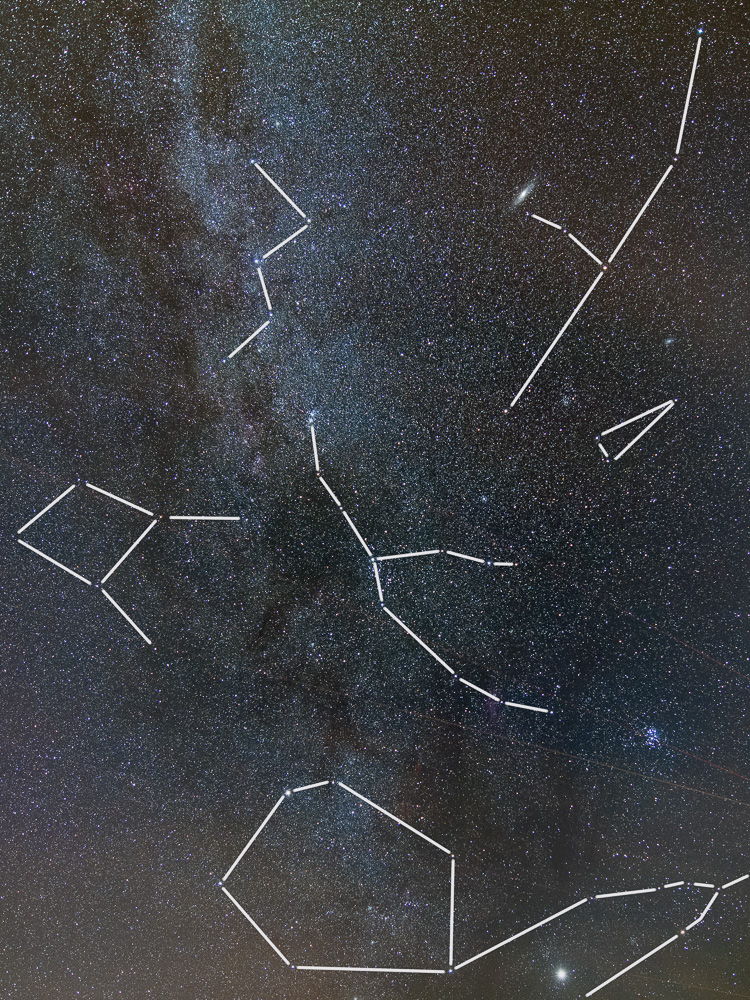
Milky Way Cygnus
Milky Way Cygnus
Mikey Way Perseus
Milky Way Perseus 14mm, f/2.8, ISO 800, 5x 3min.
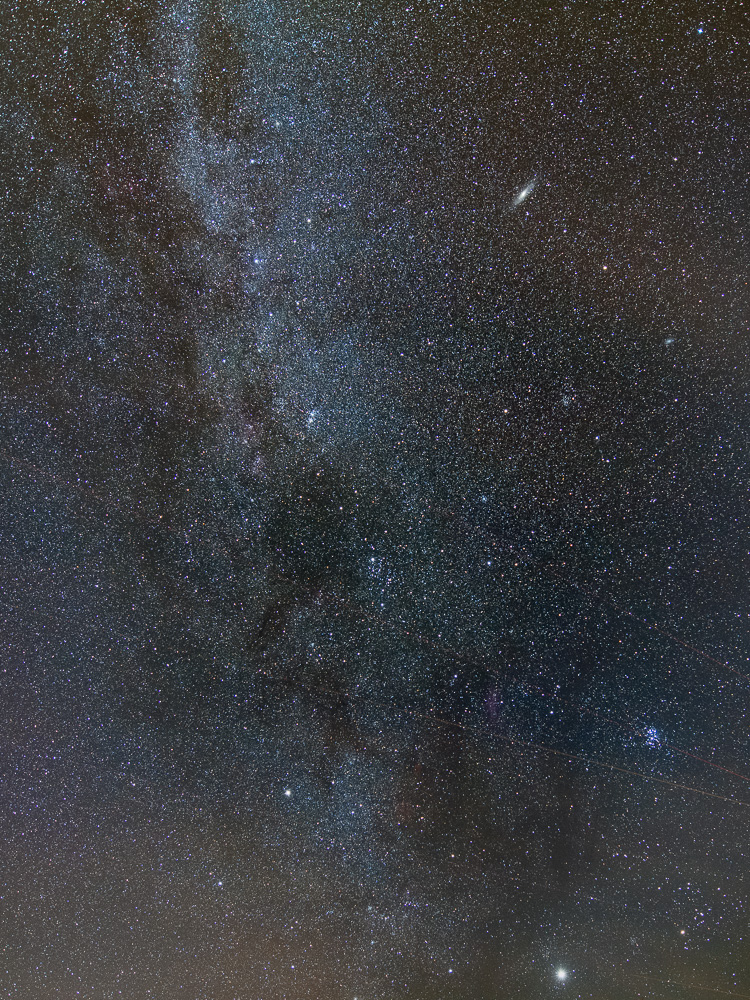
Milky Way Perseus
Milky Way Perseus
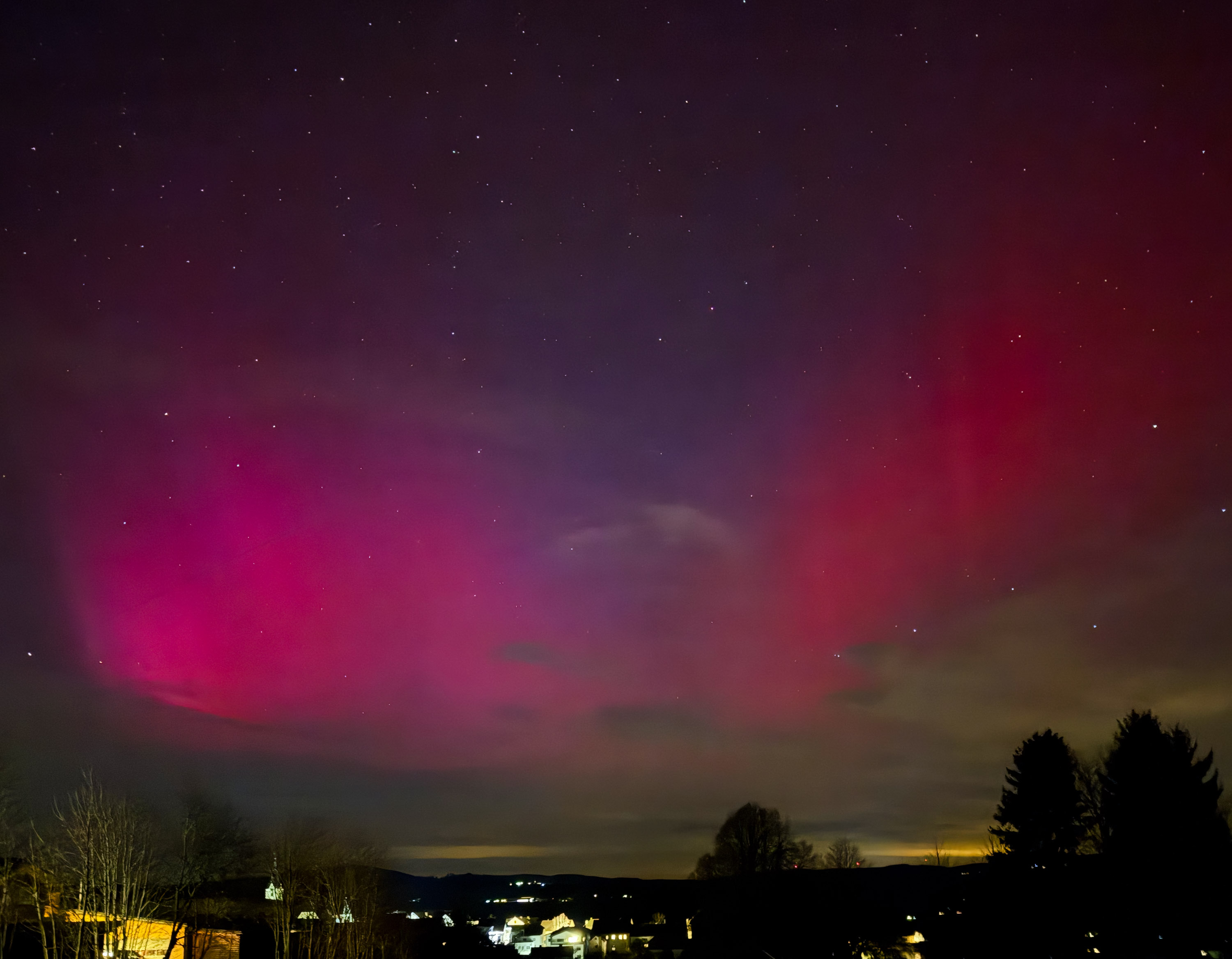
Northern Lights 1.1.2025
iPhone ca. 18:30
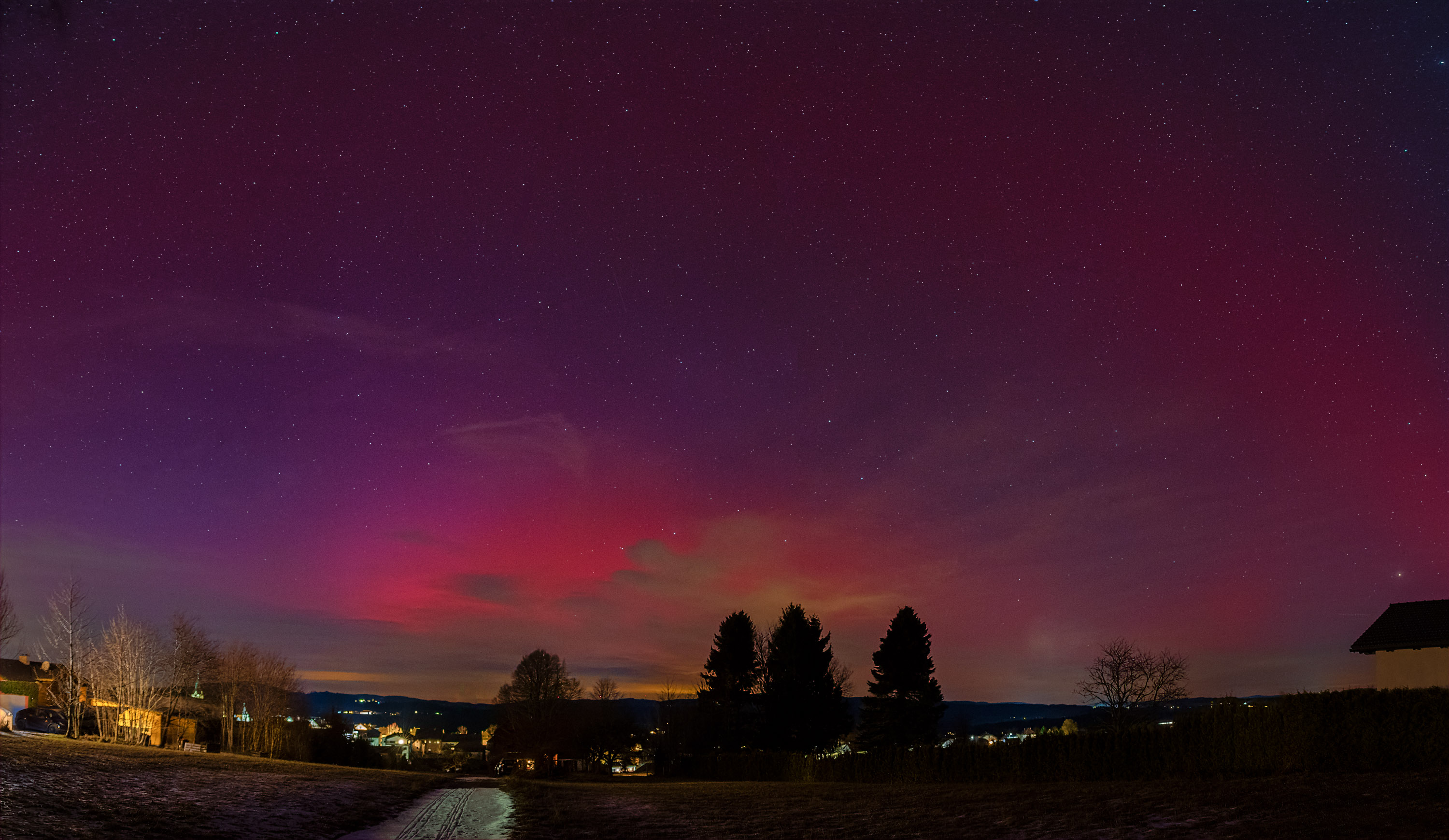
Northern Lights 1.1.2025 iPhone ca. 18:30
Northern Lights 1.1. 2025
Nikon D860, 14mm f/2.8, ISO 800, 20s, Panorama, 18:50
SAR Arc?
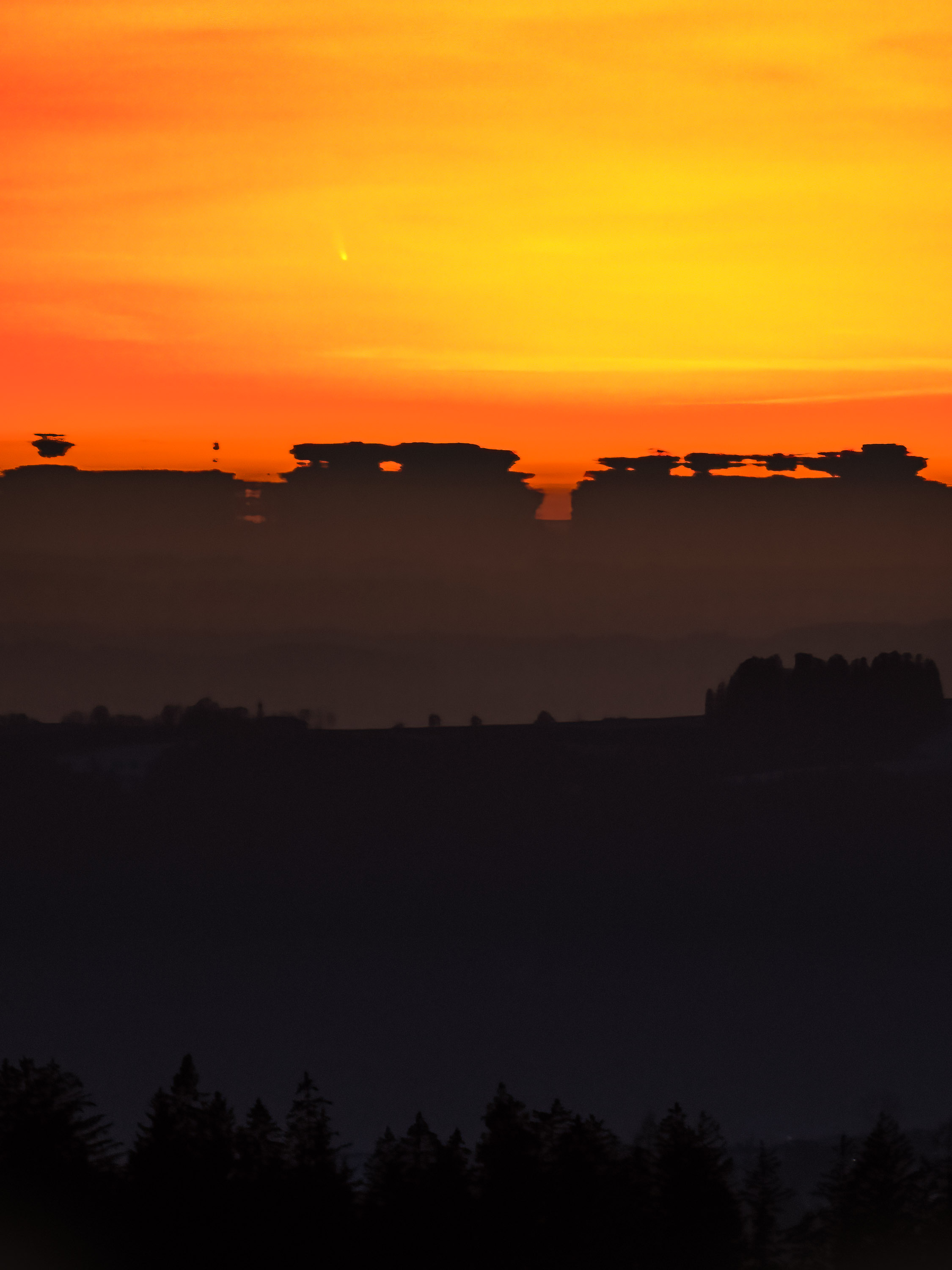
Northern Lights 1.1. 2025 Nikon D860, 14mm f/2.8, ISO 800, 20s, Panorama, 18:50 SAR Arc?
C/2024 G3 14.01.2025
D850, 500mm PF, f/5.6, ISO 800, 1/13 s
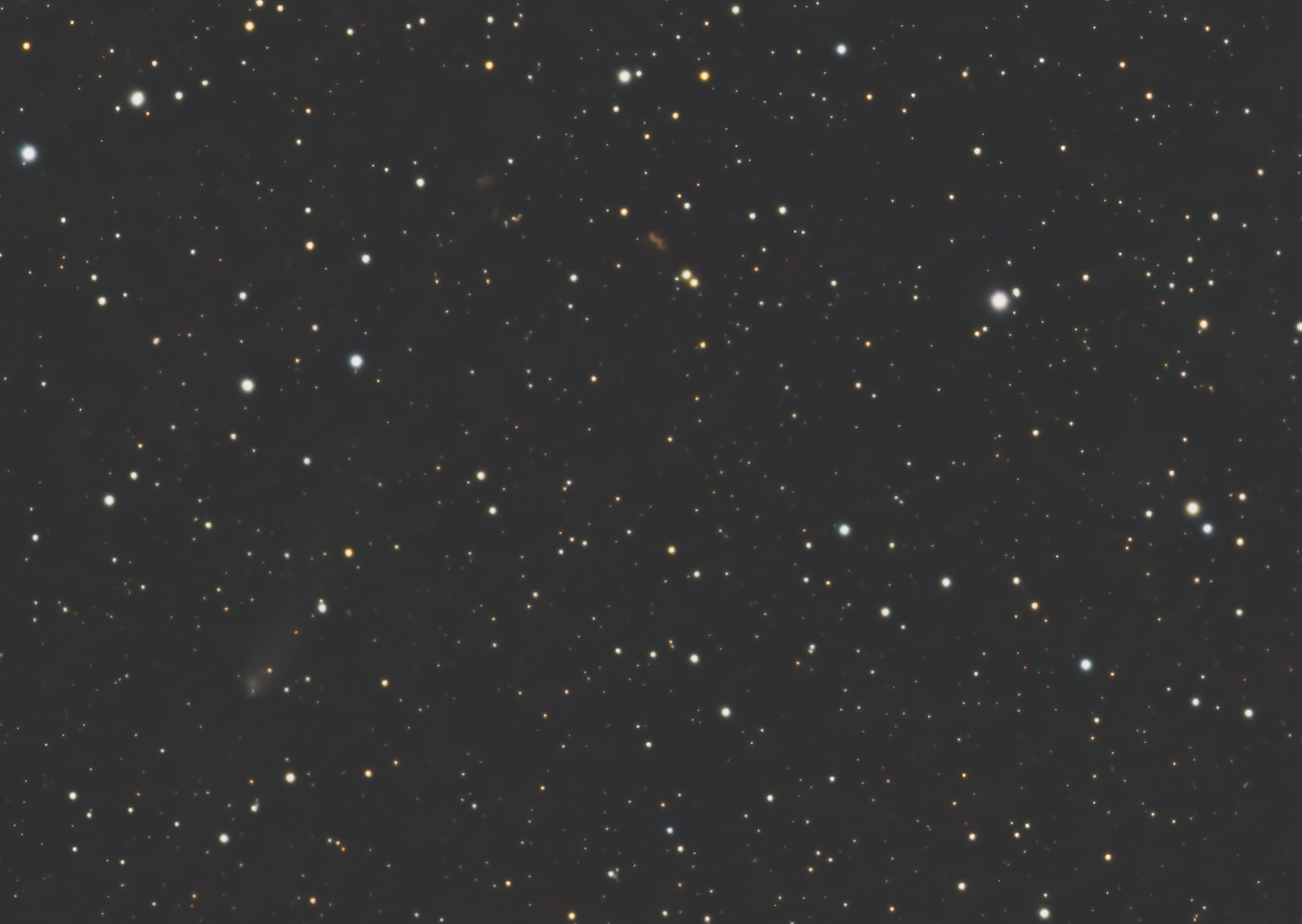
C/2024 G3 14.01.2025 D850, 500mm PF, f/5.6, ISO 800, 1/13 s
C/2022 E2 (ATLAS)
4.02.2025 (RA 1h 29', DEC 53°53')
D850, 600mm f/4+1.4TC (840mm, f/5.6)
1h (5min. each), ISO 800
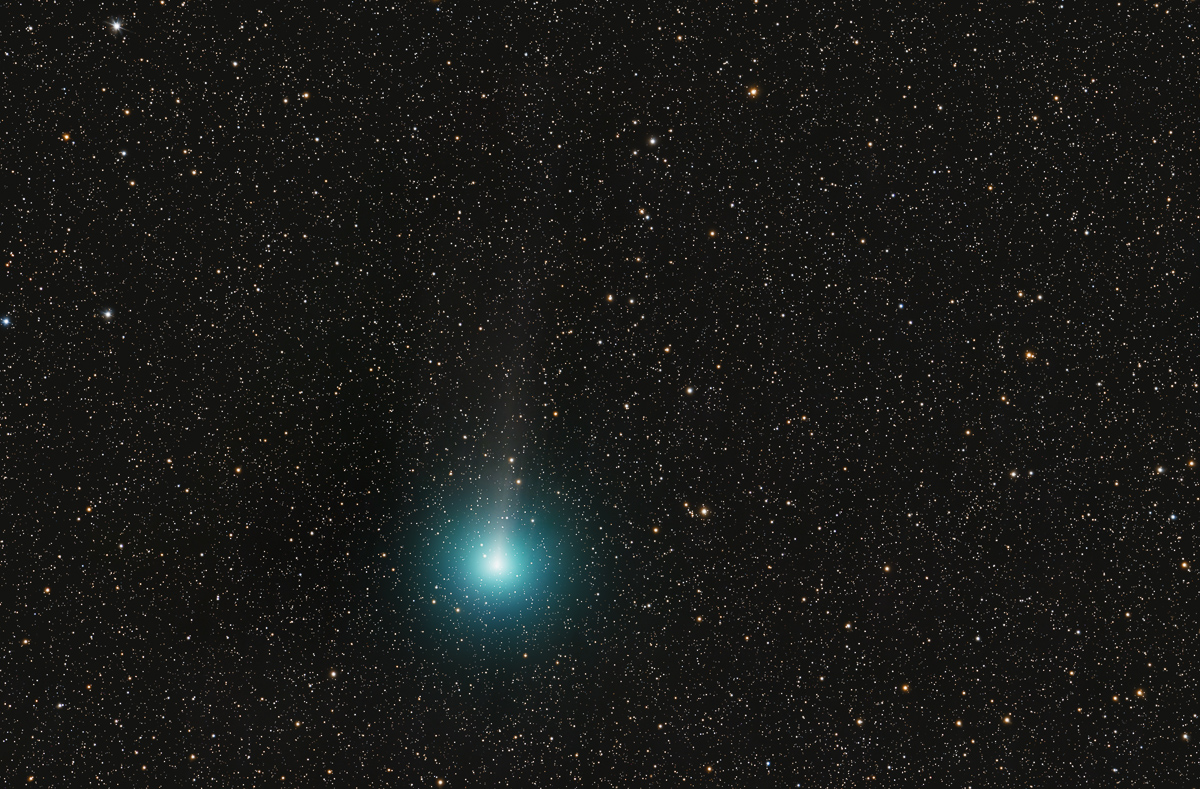
C/2022 E2 (ATLAS) 4.02.2025 (RA 1h 29', DEC 53°53') D850, 600mm f/4+1.4TC (840mm, f/5.6) 1h (5min. each), ISO 800
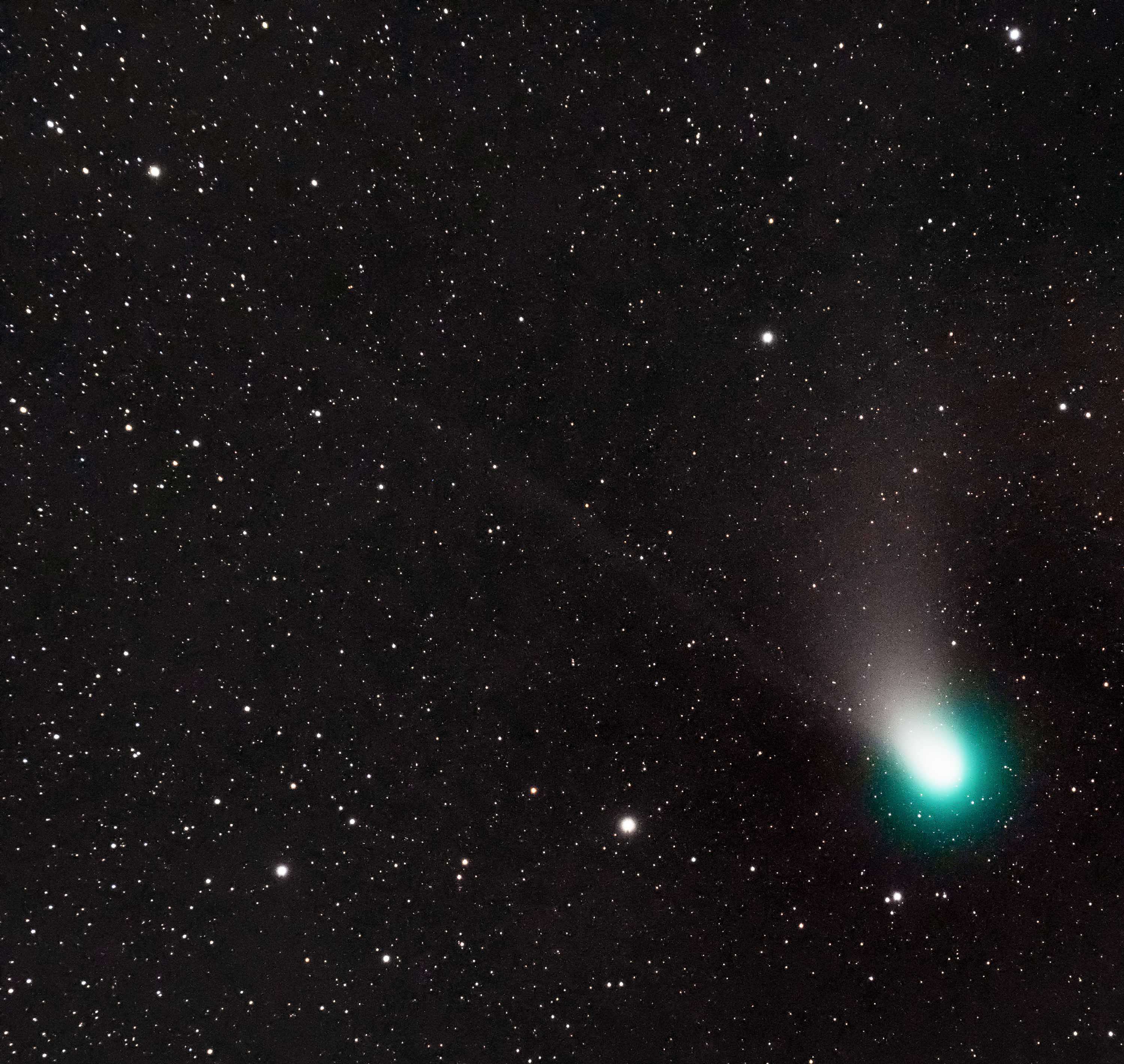
C/2025 R2 (SWAN), 24.10.2025
Nikon D7500a, 600mm f/4,
ISO 1600, 9x 3 min.
C/2025 R2 (SWAN), 24.10.2025 Nikon D7500a, 600mm f/4, ISO 1600, 9x 3 min.
C 2025 A6 (Lemmon), 24.10.2025
Nikon D7500a, 600mm f/4,
ISO 1600, 6x 3 min.
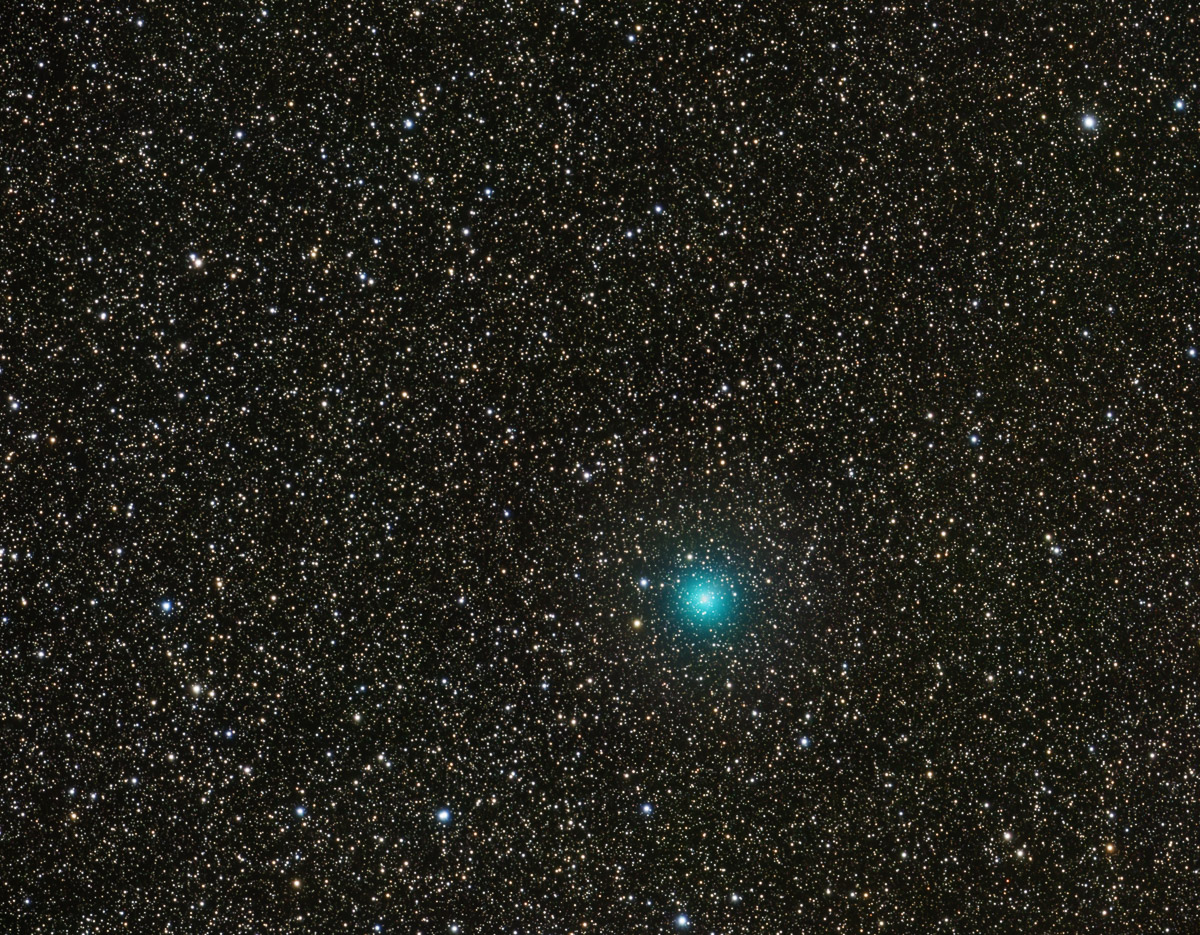
C 2025 A6 (Lemmon), 24.10.2025 Nikon D7500a, 600mm f/4, ISO 1600, 6x 3 min.
C/2025 T1 (ATLAS), 9.12.2025
Nikon D7500a, 600mm f/4+1.4 TC
(840mm f/5.6), ISO 1600, 9 x 3 min.
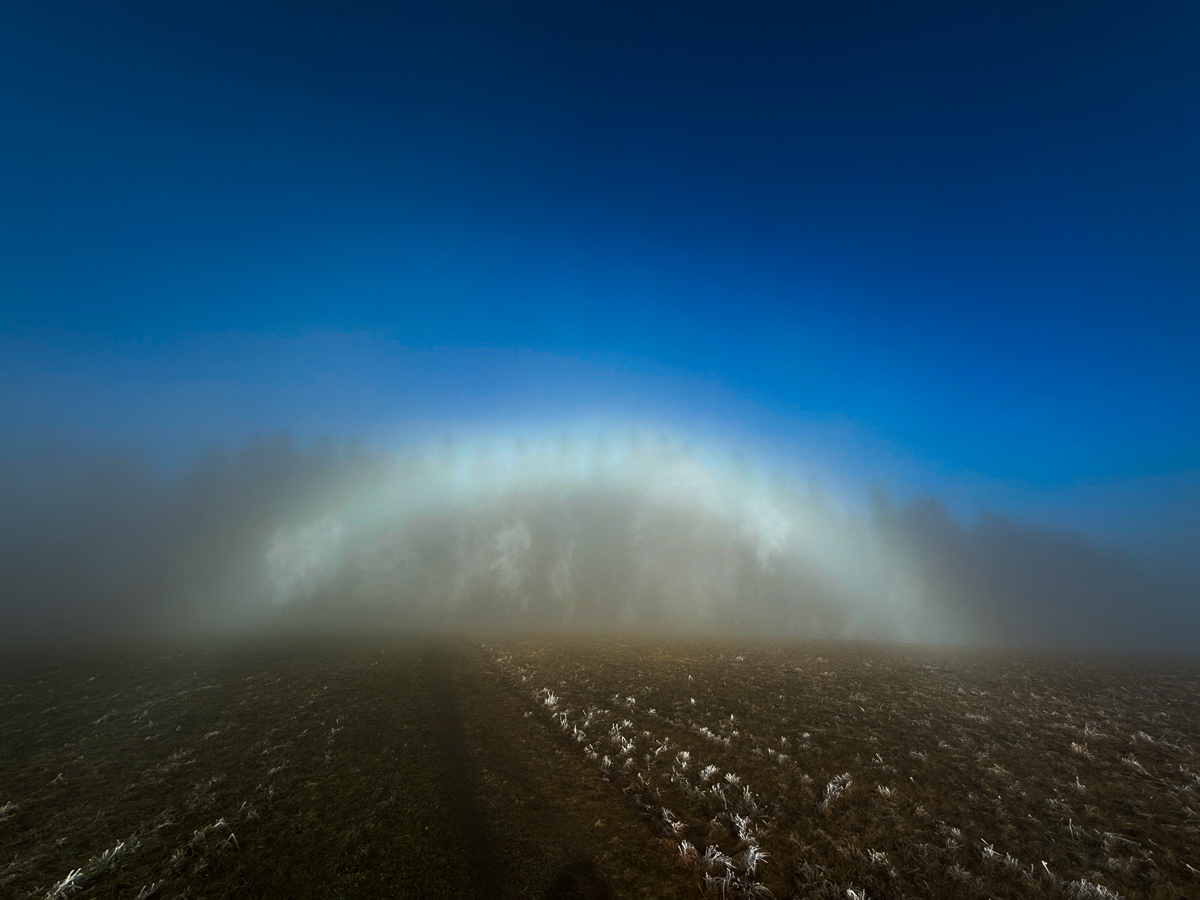
C/2025 T1 (ATLAS), 9.12.2025 Nikon D7500a, 600mm f/4+1.4 TC (840mm f/5.6), ISO 1600, 9 x 3 min.
White rainbow on the boundary
layer between fog and clear sky.
iPhone, 14th of Dec. 2025
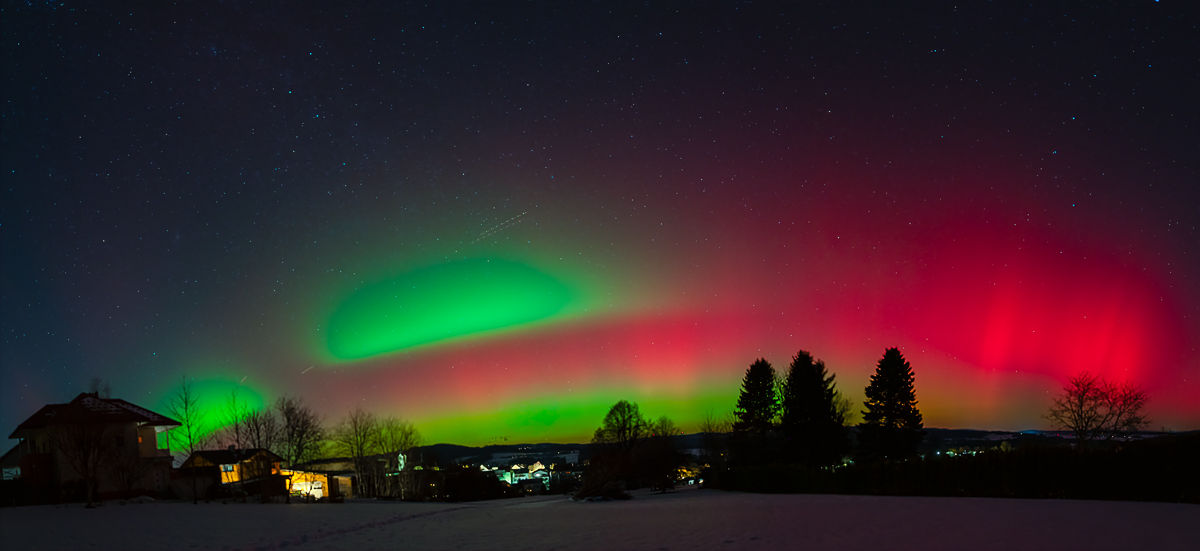
White rainbow on the boundary layer between fog and clear sky. iPhone, 14th of Dec. 2025
Northern Lights  19.01.2026 at 22:55
Nikon D850, Nikon 14-24mm f/1.2
at 14mm, ISO 280, 13s
Panorama of 3 images
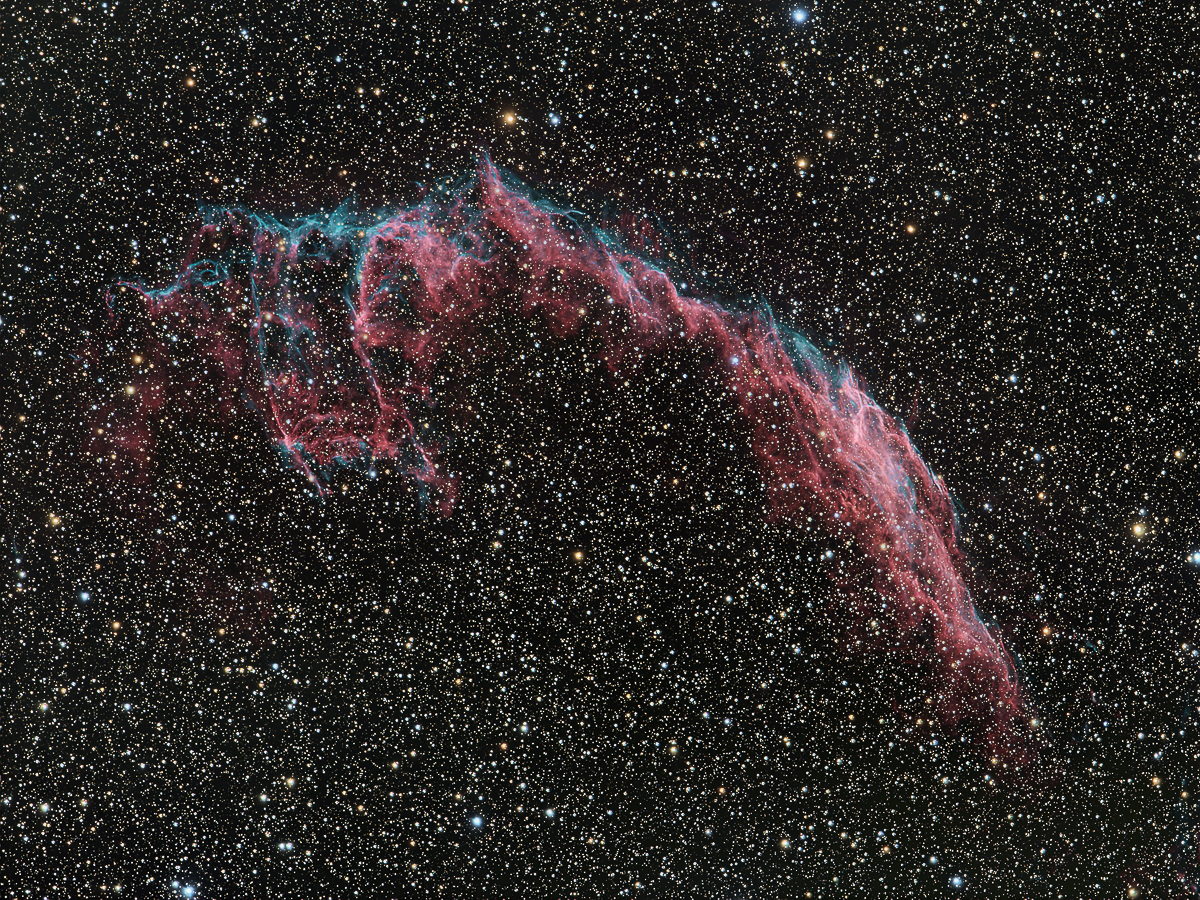
Northern Lights 19.01.2026 at 22:55 Nikon D850, Nikon 14-24mm f/1.2 at 14mm, ISO 280, 13s Panorama of 3 images
0


Nature and Astrophotography


Mike Androsch


New - October 2026


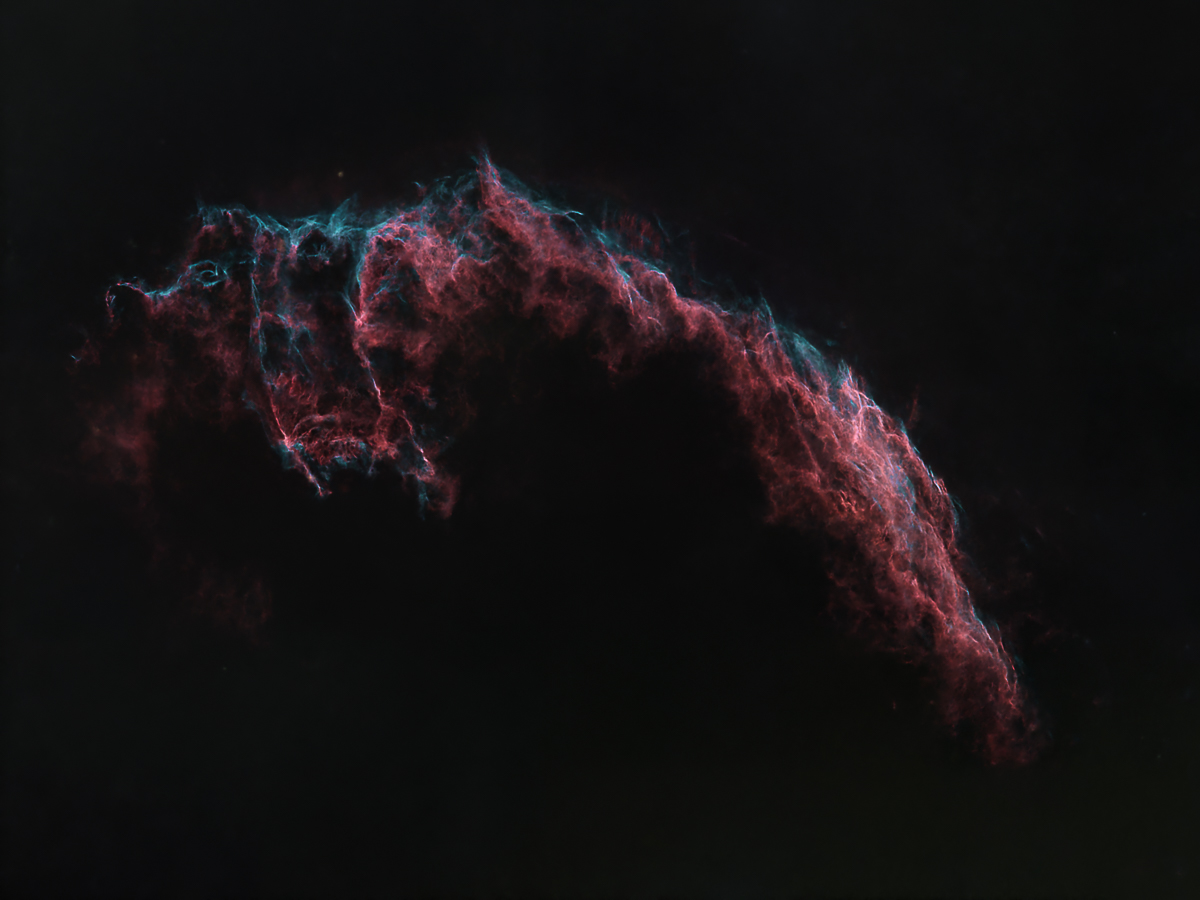
NGC 6992 in Cygnus, 5.-7. Oct. 2026

Nikon D7500a, 600mm f/4

ISO 1600, 66 x 5 min. (5.5 h)


 After many months of bird photography, I mounted my trusty 600mm f/4 lens on my telescope mount again and was happy to get everything working again.


In the constellation of Cygnus the Swan, there are remnants of a supernova explosion. The source of the supernova was a star 20 times more massive than our sun, which exploded between 10,000 and 20,000 years ago. At the time of the explosion, the supernova would have appeared brighter than Venus in the sky, and was visible in the daytime. The remnants have since expanded to cover an area of the sky roughly 3 degrees in diameter, 36 times the area of the full Moon. The brighter parts of the Cygnus Loop as it is also called, have their own names and this part is designated NGC 6992 (info with the help of wikipedia). It just fit on my chip.
Because there are so many milky way stars in the area, I am also showing an image where my software removed them, so you can see the nebula more clearly. The shock waves are still pushing out hydrogen (red) and oxygen (blue) from the original star.

close lightbox