Mike's Images
Menü
  • Externer Link wird in einem neuen Tab oder Fenster geöffnet
  • Externer Link wird in einem neuen Tab oder Fenster geöffnet

Equipment and Me


I live in the North of Upper Austria - at approx. 780 m above sea level - on the edge of the rural town of Oberneukirchen. I have a reasonably dark sky for astrophotography but more and more homes have been built around where I live, so light pollution is starting to become a problem.


I love all aspects of nature and photography.
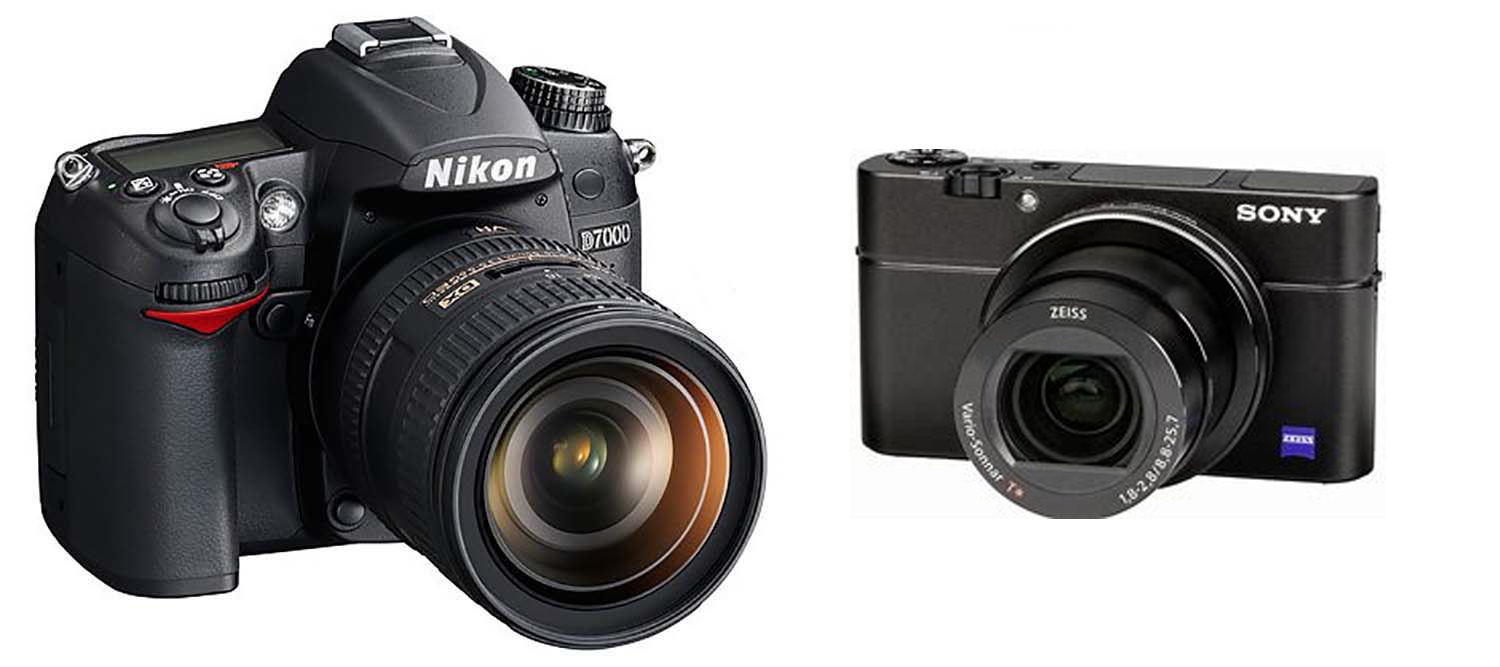


Nikon D7000/D500 earlier, Nikon D850 and Z8

Nikon lenses (14-24mm f/2.8, 24-120mm f/4, 105mm f/2.8, 70-200mm f/2.8, 300 PF f/4, Z100-400mm f/4.5-5.6, 500mm PF f/5.6, 600 mm f/4 , 1.4x TC, 2x TC)


Sony RX100 III with ZEISS® Vario-Sonnar® T* 24-70 mm, F1.8-2.8 (not in use any more - iPhones have substituted this camera)


iPhone 6s and 13 Pro Max earlier, now 16 Pro Max

,

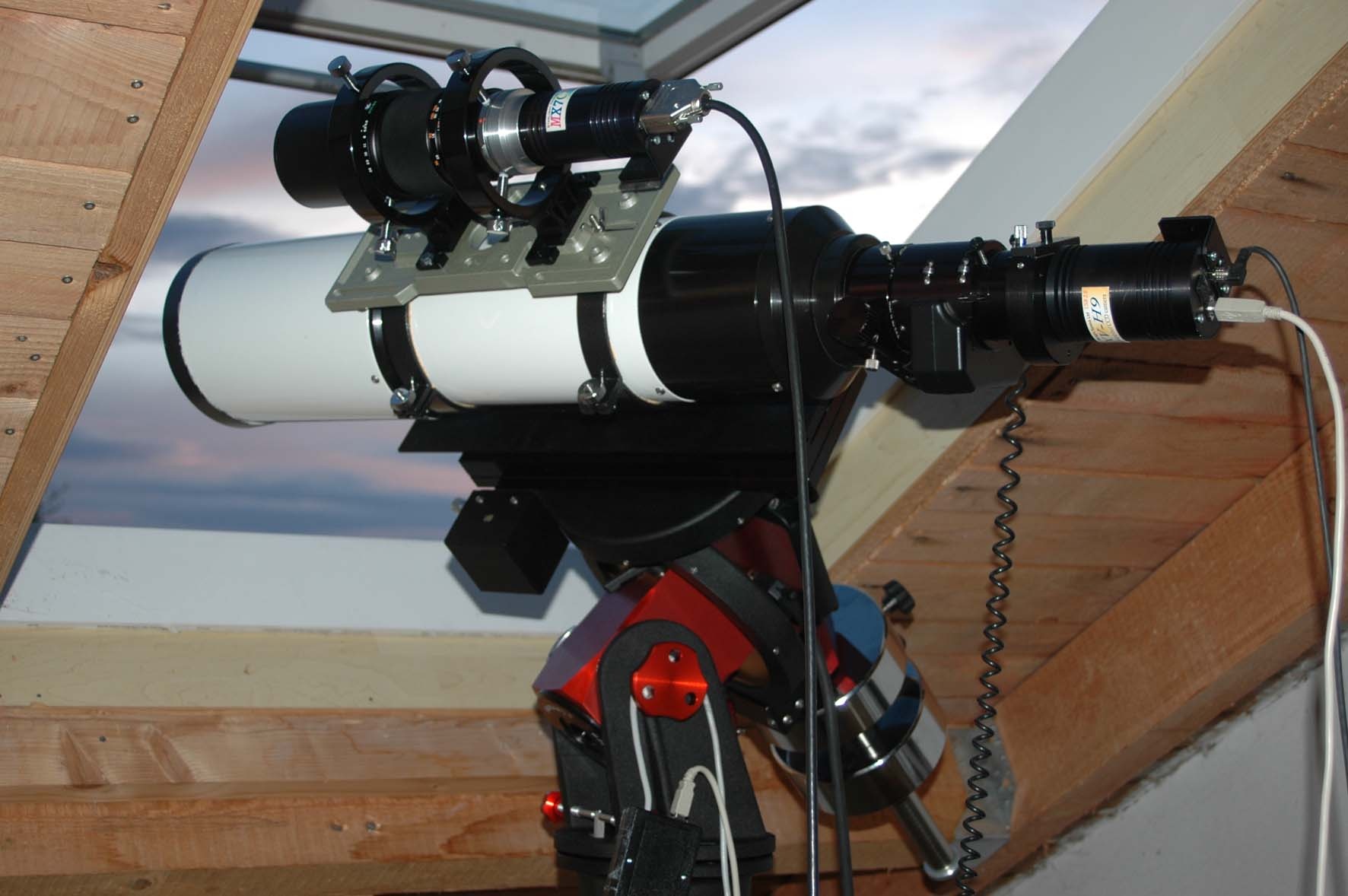
My equipment:


Scope for imaging: 4" TMB, most of the time at f/6.3

Gemini42 Mount with pulsar


Imaging cameras:

StarlightXpress SXV-H9 and

Nikon DSLR


300 mm Olympus lens and StarlightXpress MX7c and Astroart for guiding
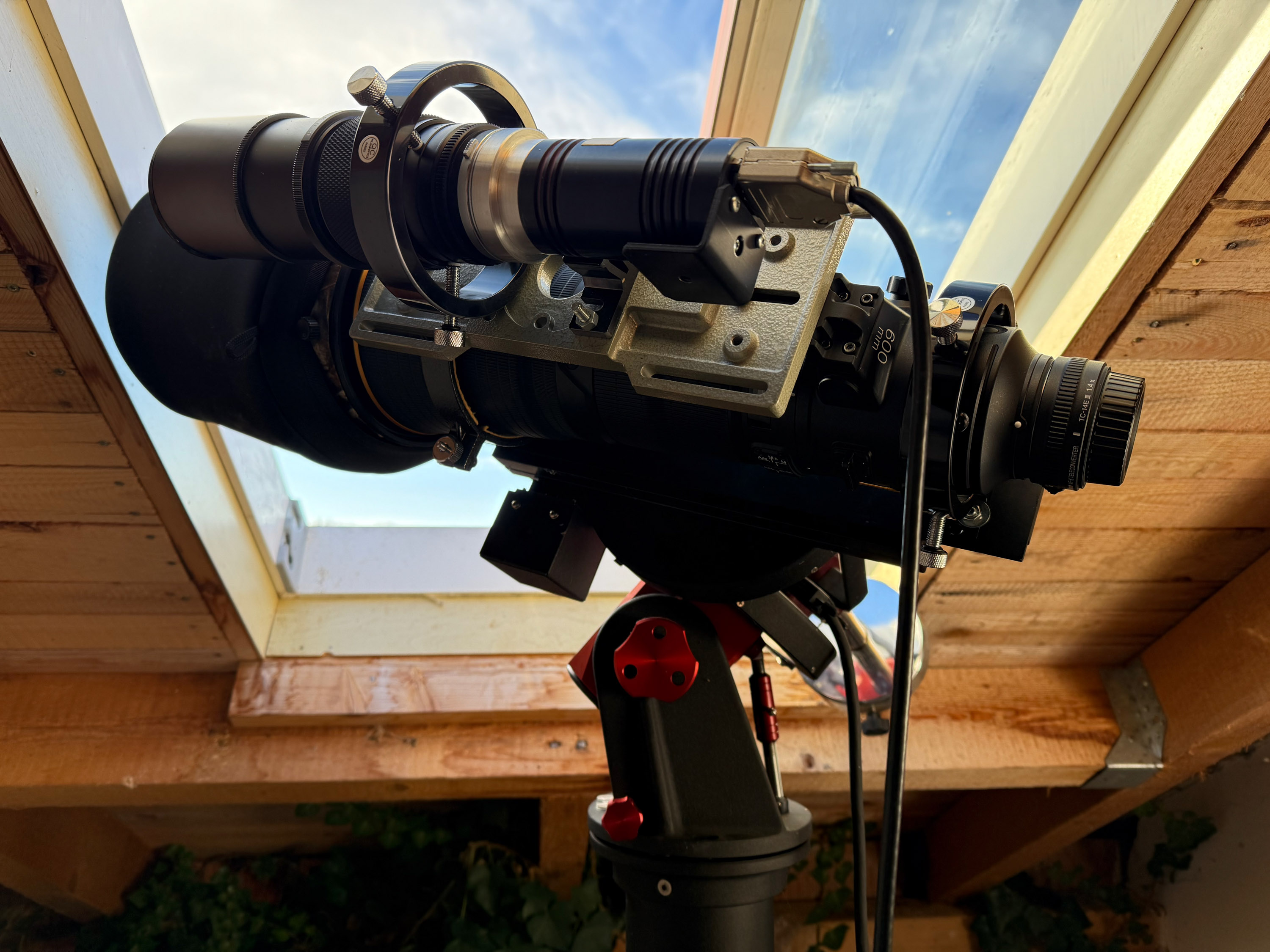


Adapted mount for Nikon 600mm f/4 and 1.4x Teleconverter (840mm f/5.6)
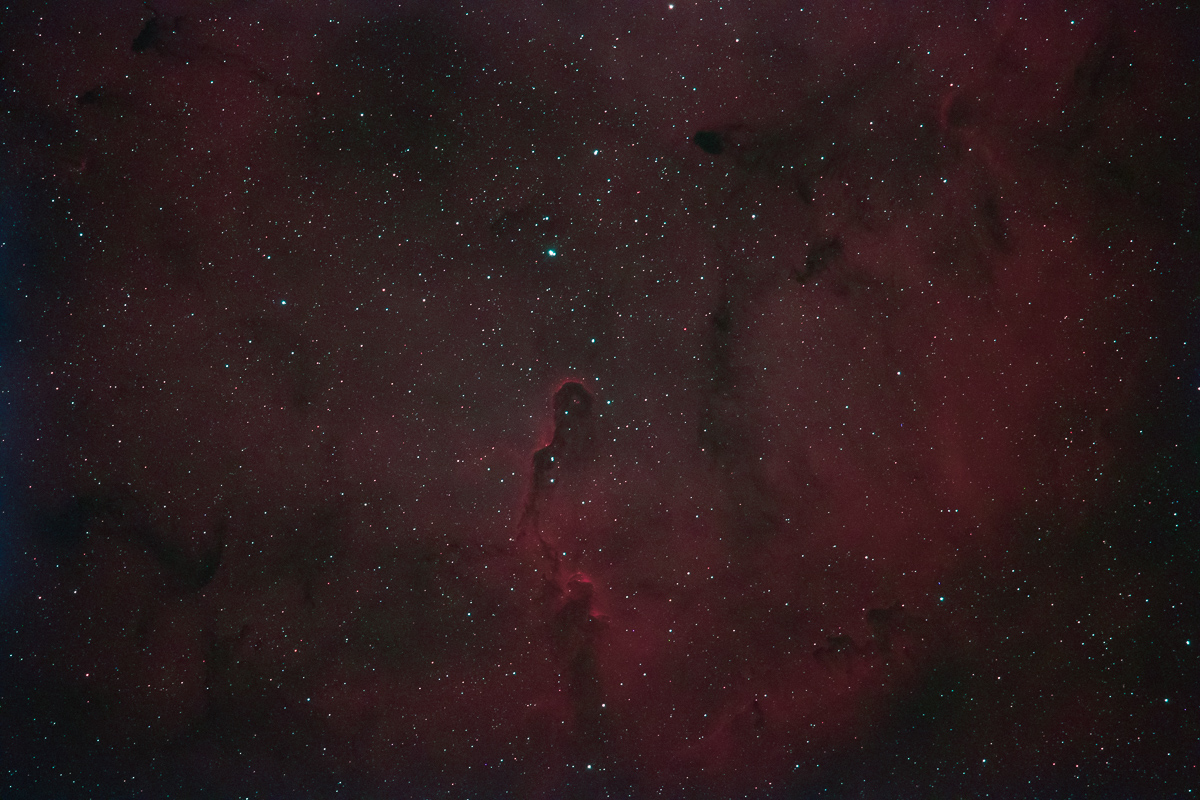

Einzelaufnahme 5 min.


Nature and Astrophotography


Mike Androsch


New - April/May 2026


Abell 31 in Cancer, April/May 2026

Nikon D7500a, 600mm f/4 + 1.4 TC (840mm f/5.6)

ISO 1600, 72 x 5 min. (6h),

 L-Ultimate Optolong Dualband Filter


Abell 31 (also known as Sh2-290 or PK 219+31.1) is an ancient planetary nebula in the constellation of Cancer. It is estimated to be about 2,000 light years away. Our sun will also end like this: the outer shells will be dispelled and a resulting white dwarf will slowly cool down and disappear. Other small bright planetaries look similar to planets in a telescope, that is where their rather misleading name derives.

Abell 31 was discovered in 1955 by the American astronomer George Ogden Abell on the photo plates of the Palomar Observatory Sky Survey (POSS).

Abell 31 is mainly composed of hydrogen and gas. The blue oxygen occupies the central region and makes up the bulk of the nebula, while the red hydrogen makes a ring at the nebula's edge. This object is very old, and consequently, it is very large, dim and therefore has a low surface brightness. It is dispersing into the interstellar medium.

That is why this image was captured over several weeks, when there was no moon and a very dark sky. It was rather frustrating to have many cloudy nights. In total I got 6 hours of 5 min. images, which I combined in PixInsight and post processed in Photoshop and Lightroom.


close lightbox