Zum Hauptinhalt springen
Mike's Images
Menü
  • Externer Link wird in einem neuen Tab oder Fenster geöffnet
  • Externer Link wird in einem neuen Tab oder Fenster geöffnet
  • Externer Link wird in einem neuen Tab oder Fenster geöffnet

Nebulae

Click on images to enlarge them (might not work on your smartphone).
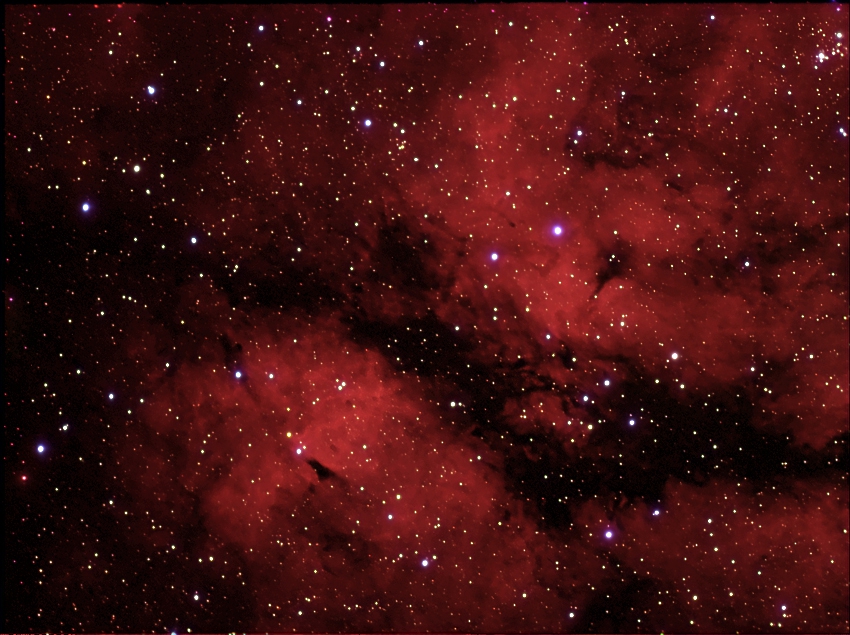


IC1318, Cygnus
14.09.2004
IC1318, Cygnus 14.09.2004
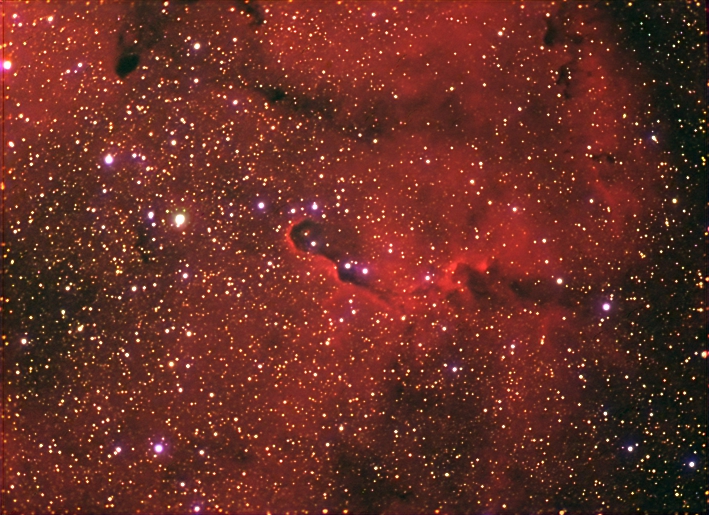
IC1396, Elefant's Trunk Nebula, Cepheus
09.2005 older SXV-H9 image
IC1396, Elefant's Trunk Nebula, Cepheus 09.2005 older SXV-H9 image
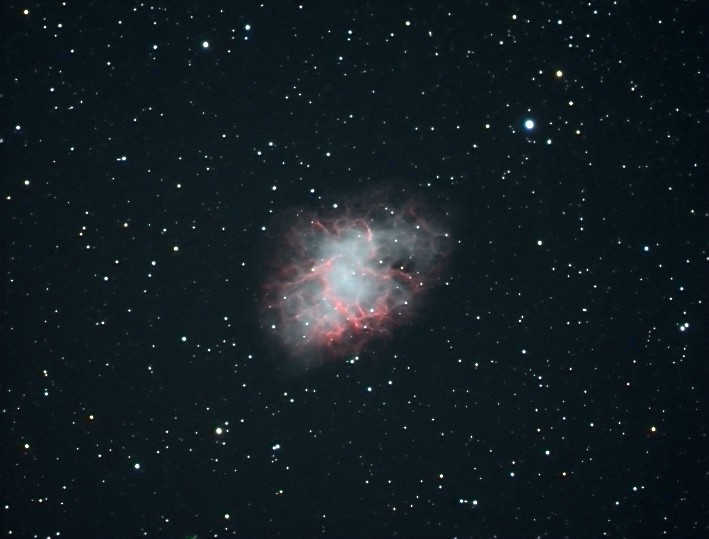
M1 Crab Nebula
03.2007 MX7c older image
M1 Crab Nebula 03.2007 MX7c older image
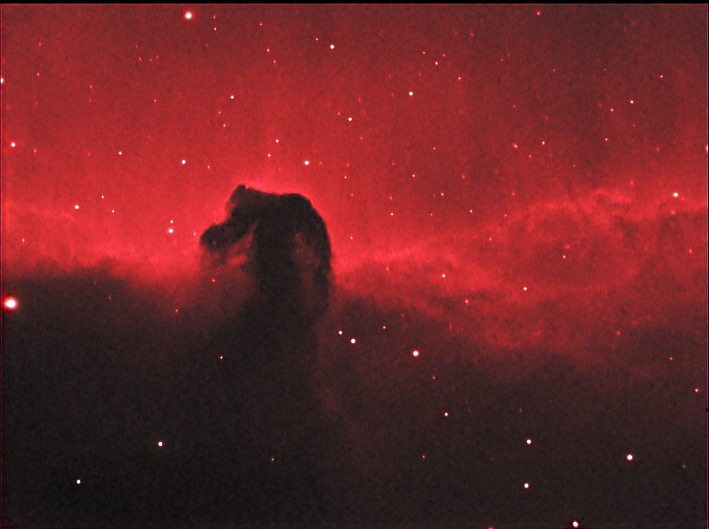
Horsehead, Orion
02.2008, SXV-H9 older image
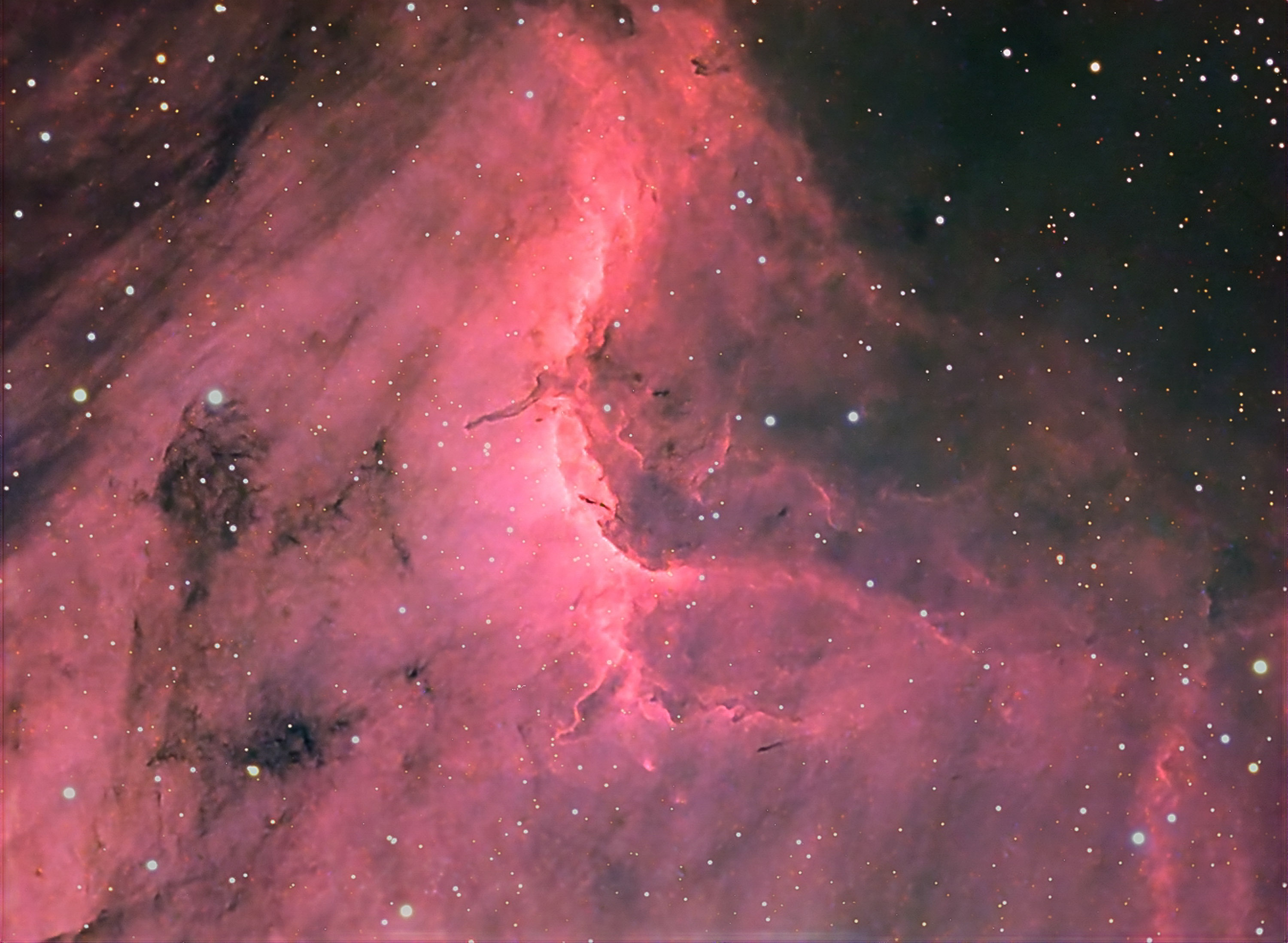
Horsehead, Orion 02.2008, SXV-H9 older image
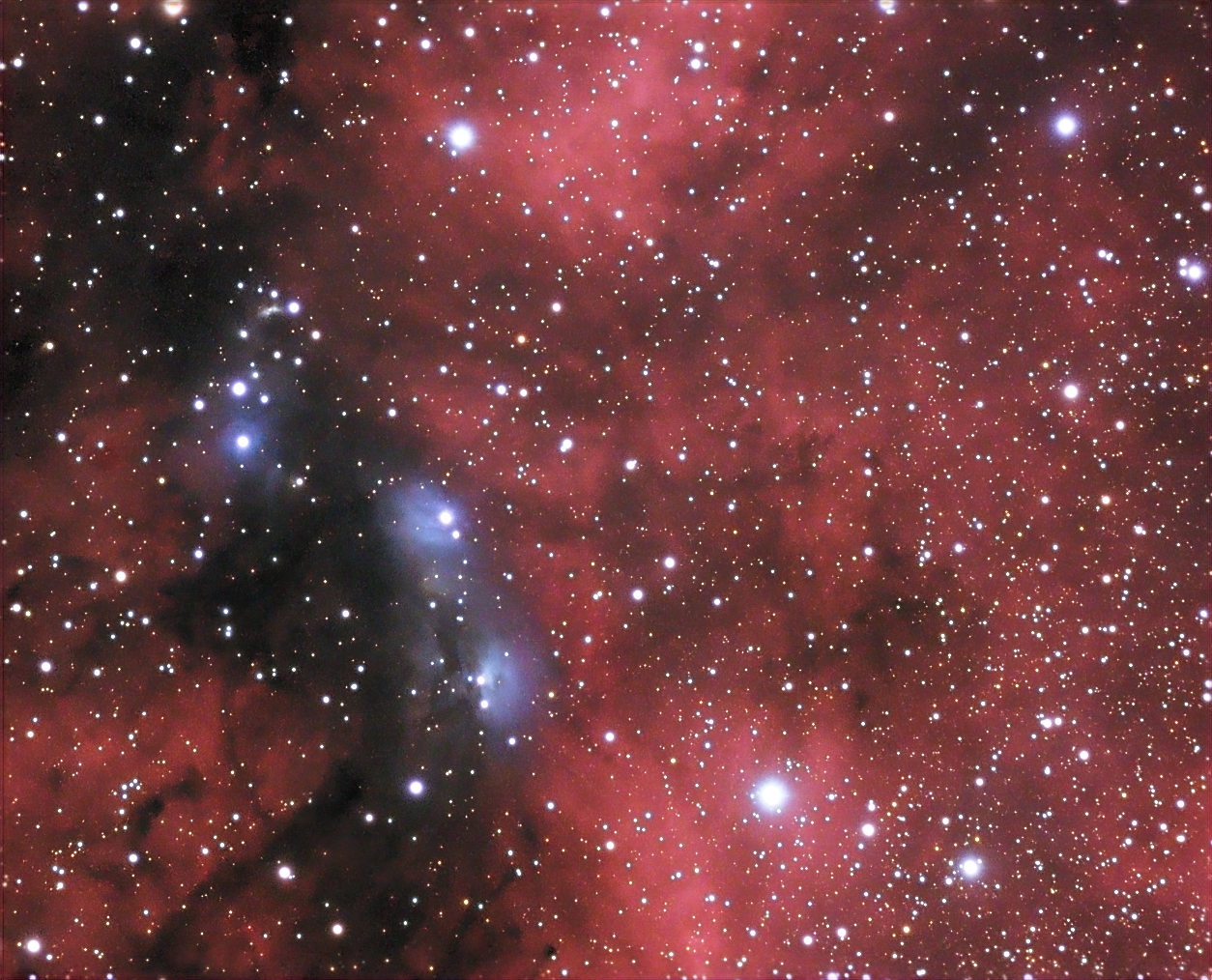
IC 5070, Pelikan Nebula in Cygnus
18./20./21.09.2008, 4" TMB 
SXV-H9, Ha:R:G:B, 240:60:60:60 min.
IC 5070, Pelikan Nebula in Cygnus 18./20./21.09.2008, 4" TMB SXV-H9, Ha:R:G:B, 240:60:60:60 min.
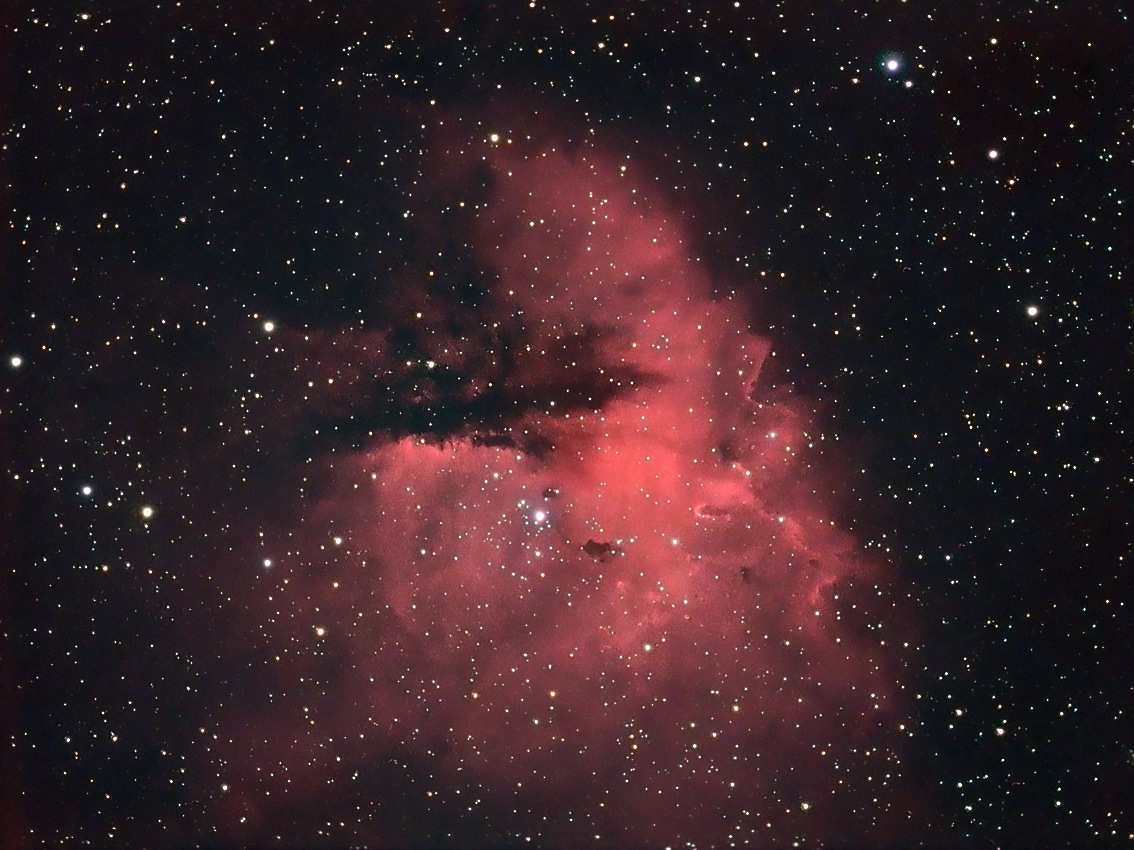
NGC281, Cassiopeia
01.2009, SXV-H9 older image
NGC281, Cassiopeia 01.2009, SXV-H9 older image
NGC6914 in Cygnus
09.2009 SXV-H9 older image
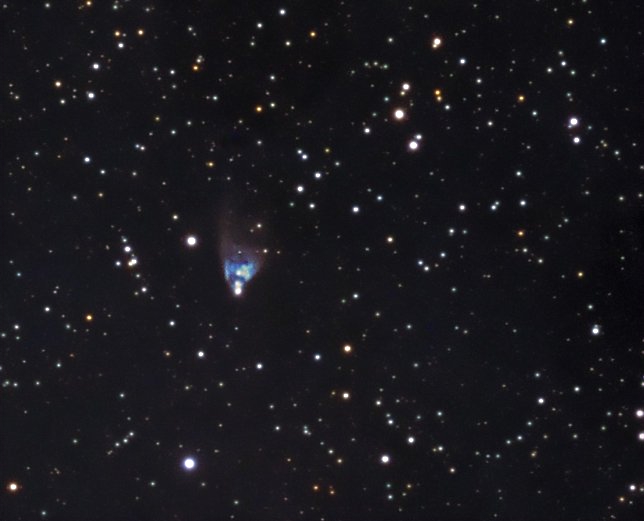
NGC6914 in Cygnus 09.2009 SXV-H9 older image
Hubble Variable Nebula
03.2010 SXV-H9 older image
Hubble Variable Nebula 03.2010 SXV-H9 older image
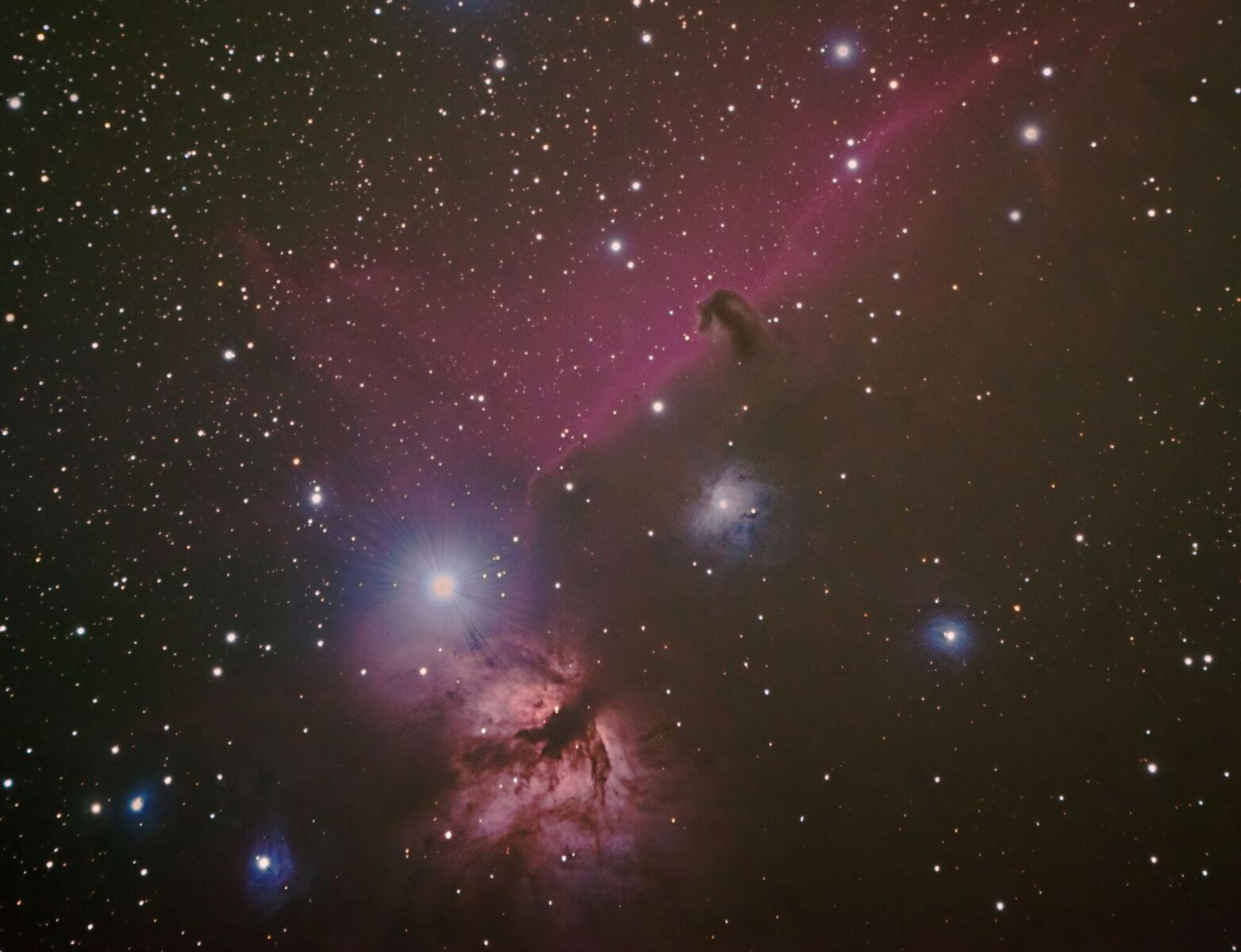
Barnard 33, Horsehead Nebula, Orion
18.-20.03.2015, 4" TMB
f/6.3 | 3x10min. | ISO 1600, 11x20min. | ISO 800
Barnard 33, Horsehead Nebula, Orion 18.-20.03.2015, 4" TMB f/6.3 | 3x10min. | ISO 1600, 11x20min. | ISO 800
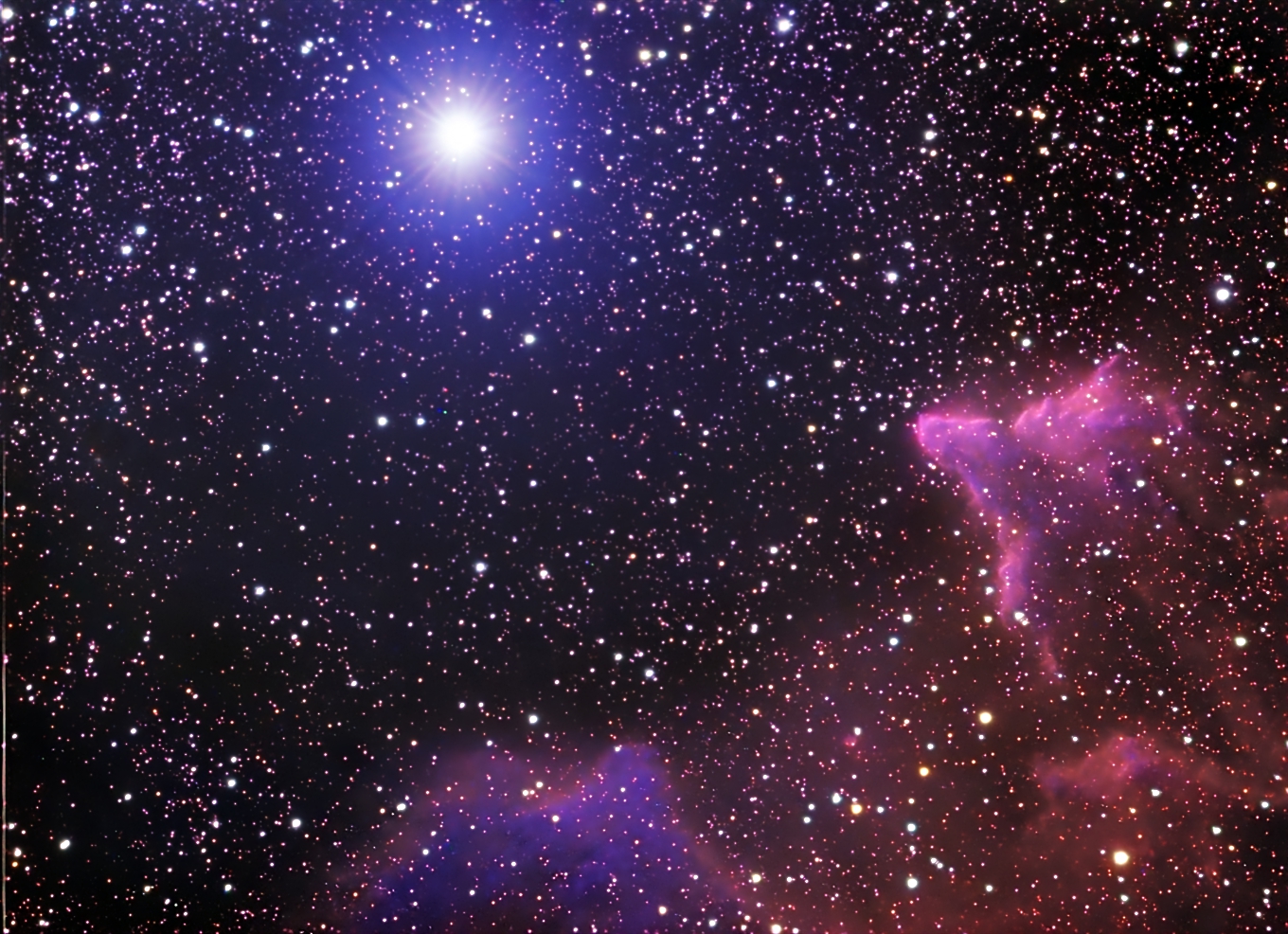
IC59, IC63 Cassiopeia
SXV-H9 older image
IC59, IC63 Cassiopeia SXV-H9 older image
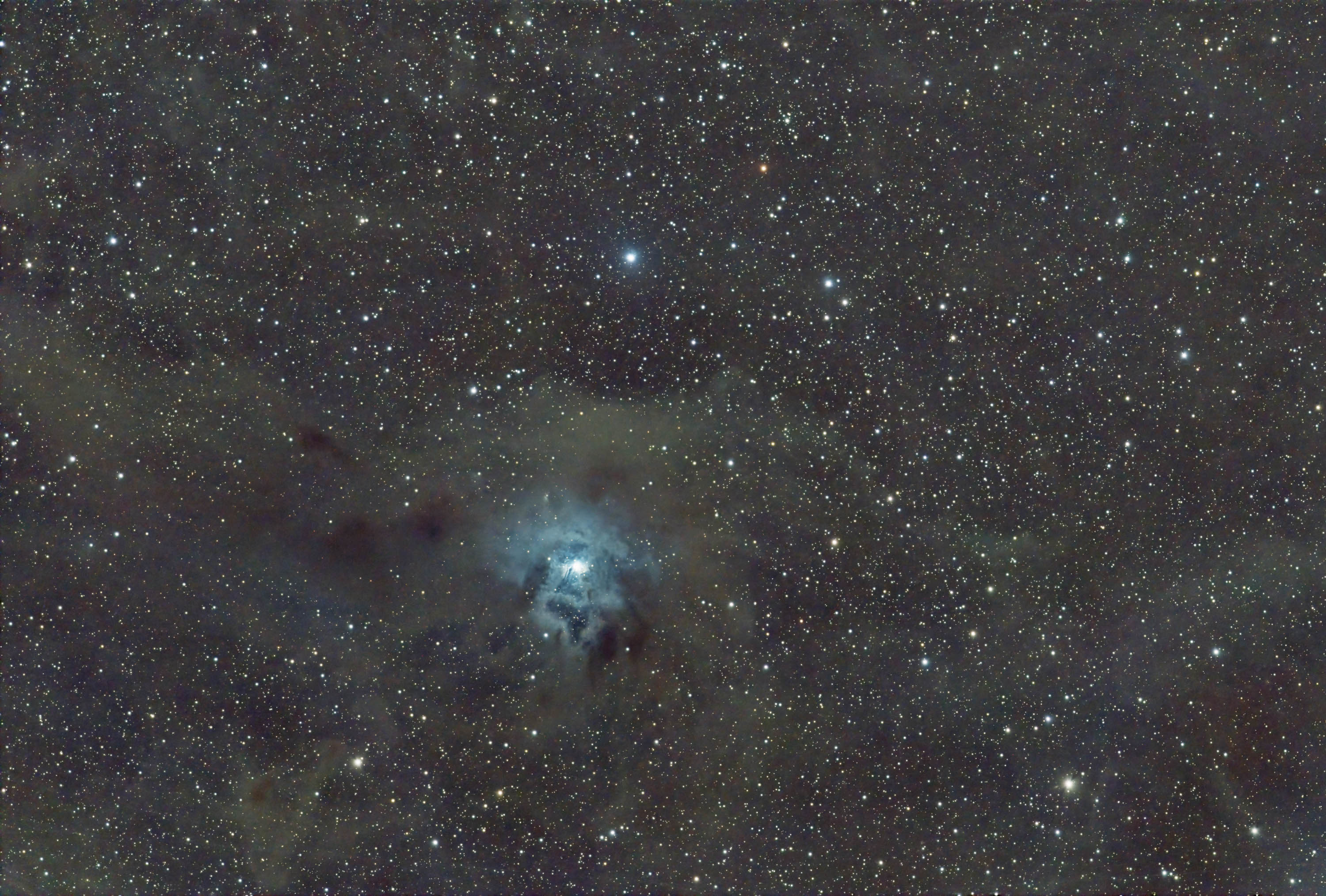
NGC 7023 Iris Nebula, Cepheus
29.und 30.01.2025, 2h15' (je15')
Nikon 600mm f/4 + 1.4 TC (840mm f/5.6) ISO 800
NGC 7023 Iris Nebula, Cepheus 29.und 30.01.2025, 2h15' (je15') Nikon 600mm f/4 + 1.4 TC (840mm f/5.6) ISO 800
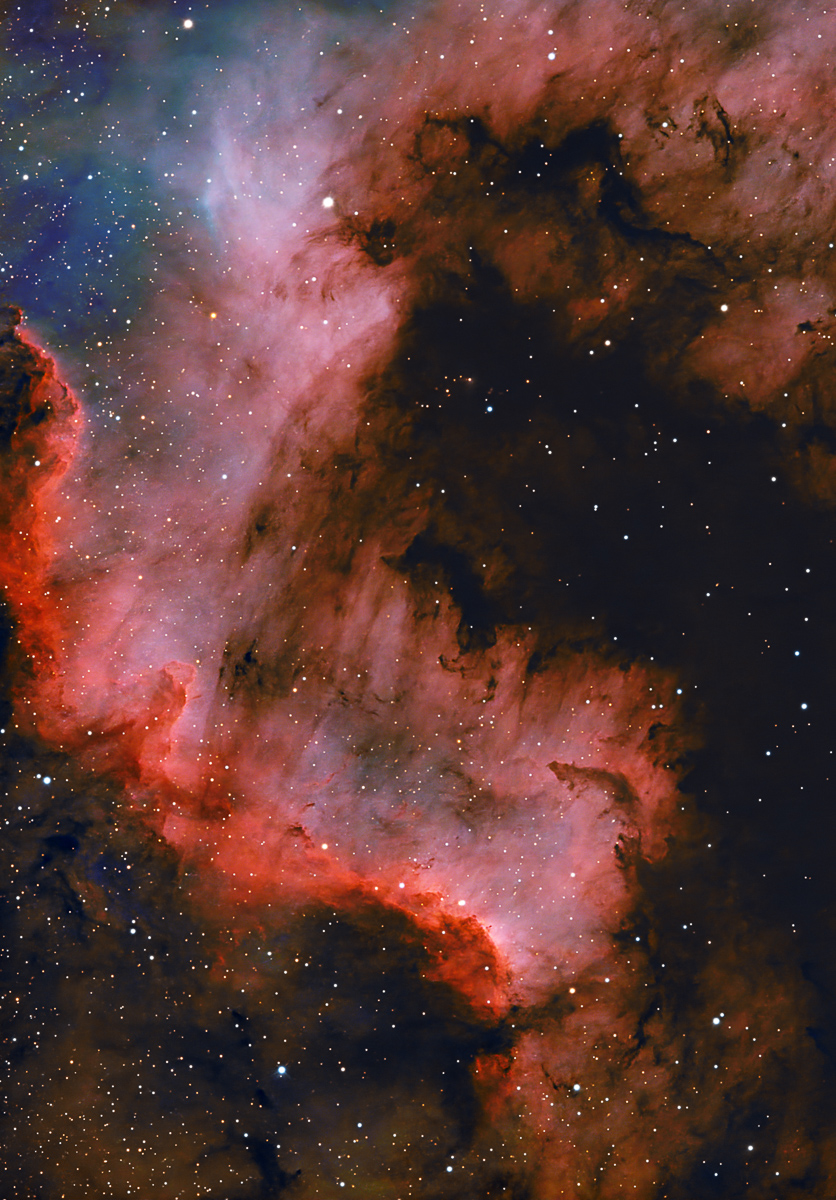
Cygnus Wall in NGC 7000
of the North America Nebula
Nikon D7500mod., L-Ultimate Optolong Filter,
600mm f/4, ISO 1600, 5 min. x 16, 14. Sept. 2025
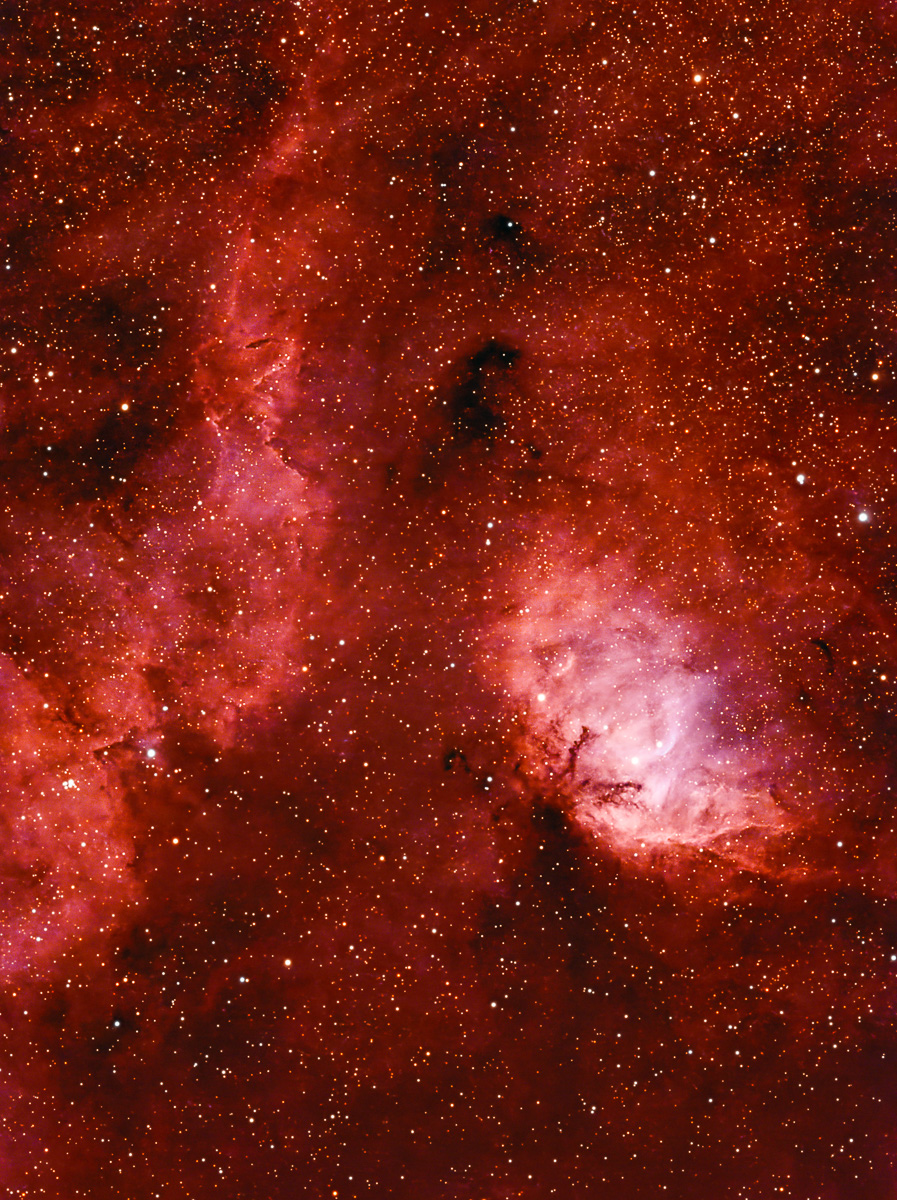
Cygnus Wall in NGC 7000 of the North America Nebula Nikon D7500mod., L-Ultimate Optolong Filter, 600mm f/4, ISO 1600, 5 min. x 16, 14. Sept. 2025
Ced 173 Tulip Nebula
Nikon D7500a, 600mm f/4 mit 1.4 TC (f/5.6), 
ISO 1600, 52 x 5 min. (4h 20 min.),
Optolong L-Ultimate Dualbandfilter.
Ced 173 Tulip Nebula Nikon D7500a, 600mm f/4 mit 1.4 TC (f/5.6), ISO 1600, 52 x 5 min. (4h 20 min.), Optolong L-Ultimate Dualbandfilter.
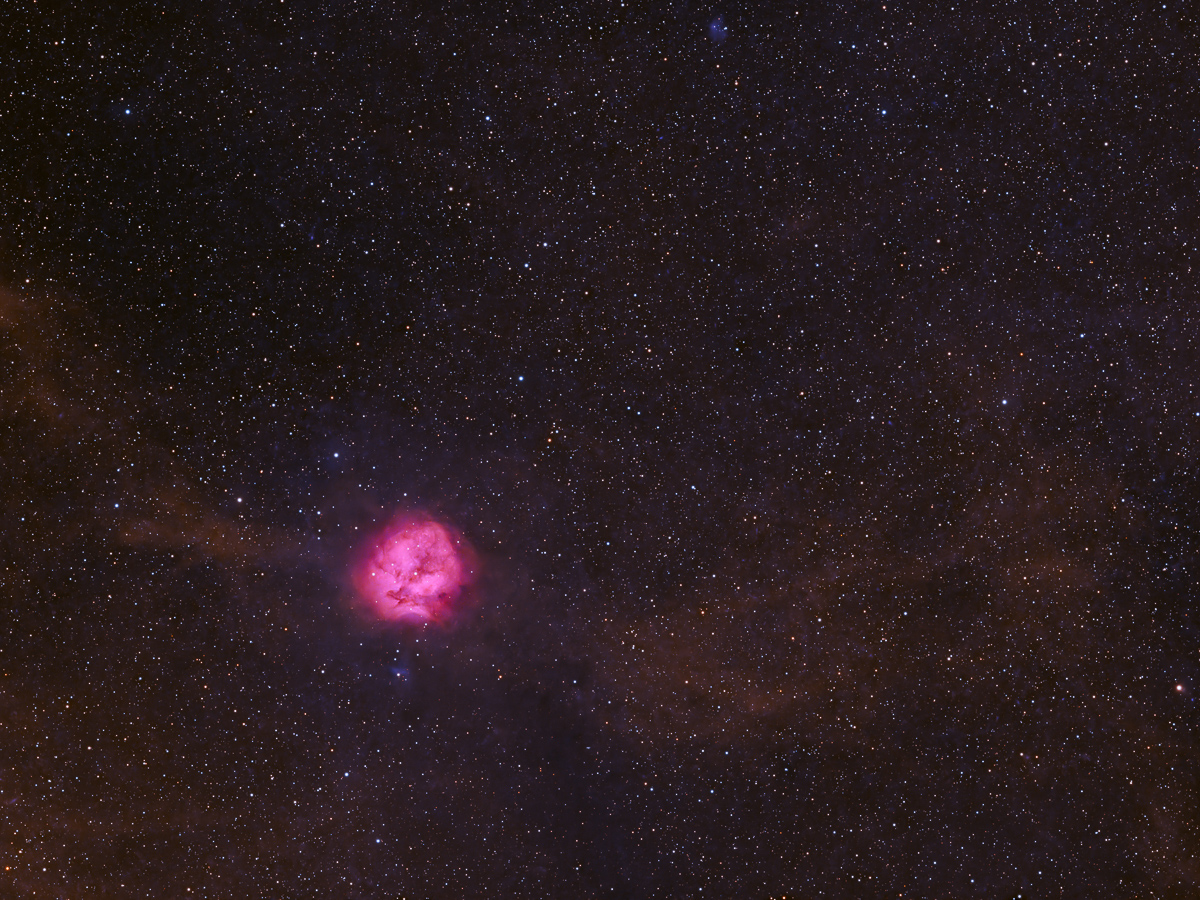
IC 5146 Cocoon Nebula, 23.10.2025
Nikon D7500a, 600mm f/4, ISO 1600,
33 x 5 min. (2h, 45 min.)
Optolong L-Ultimate Dualbandfilter
IC 5146 Cocoon Nebula, 23.10.2025 Nikon D7500a, 600mm f/4, ISO 1600, 33 x 5 min. (2h, 45 min.) Optolong L-Ultimate Dualbandfilter
IC 1396 Elefant Trunk Nebula, 12.2025
Nikon D7500a, 600mm f/4, (600 mm f/4), ISO 1600,
Optolong L-Ultimate Dualband Filter, 159 x 5 min.
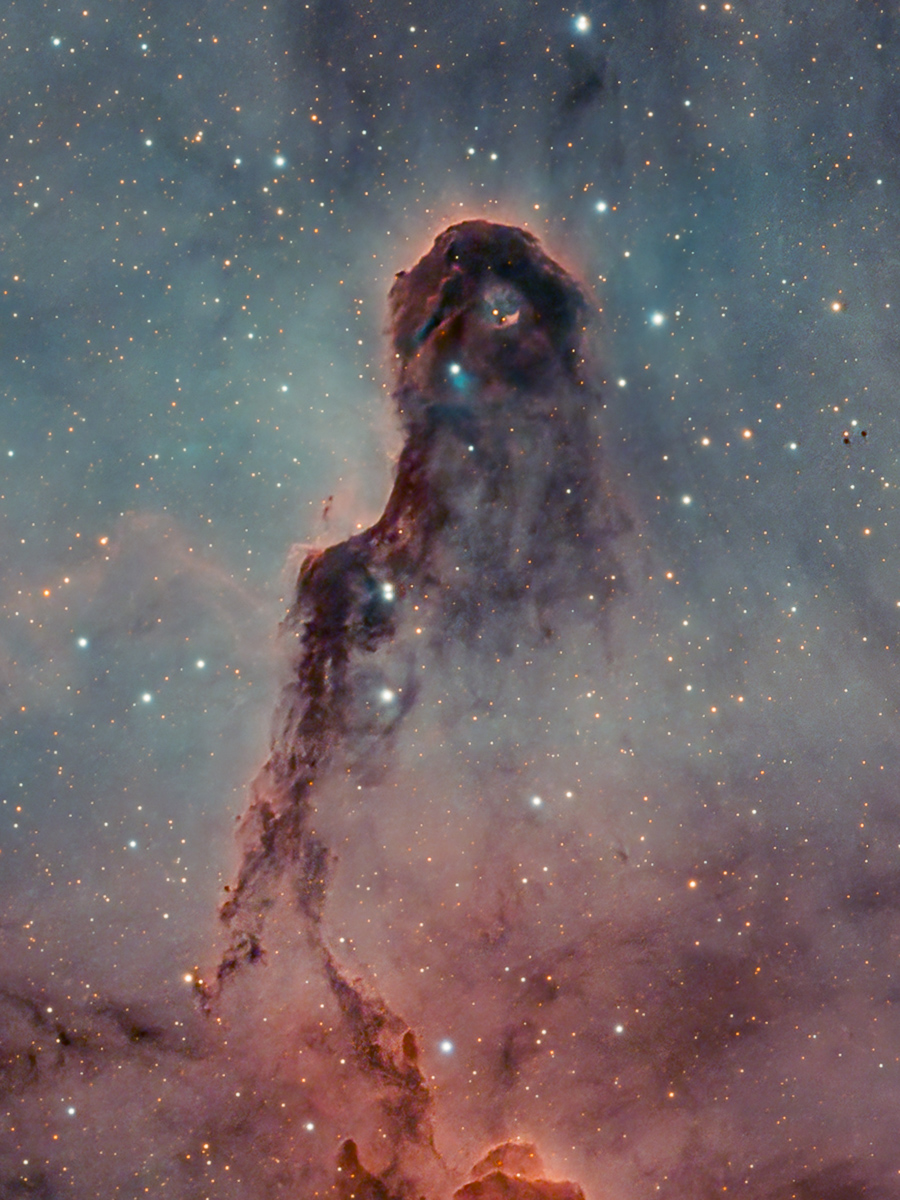
IC 1396 Elefant Trunk Nebula, 12.2025 Nikon D7500a, 600mm f/4, (600 mm f/4), ISO 1600, Optolong L-Ultimate Dualband Filter, 159 x 5 min.
Elefant Trunk Detail
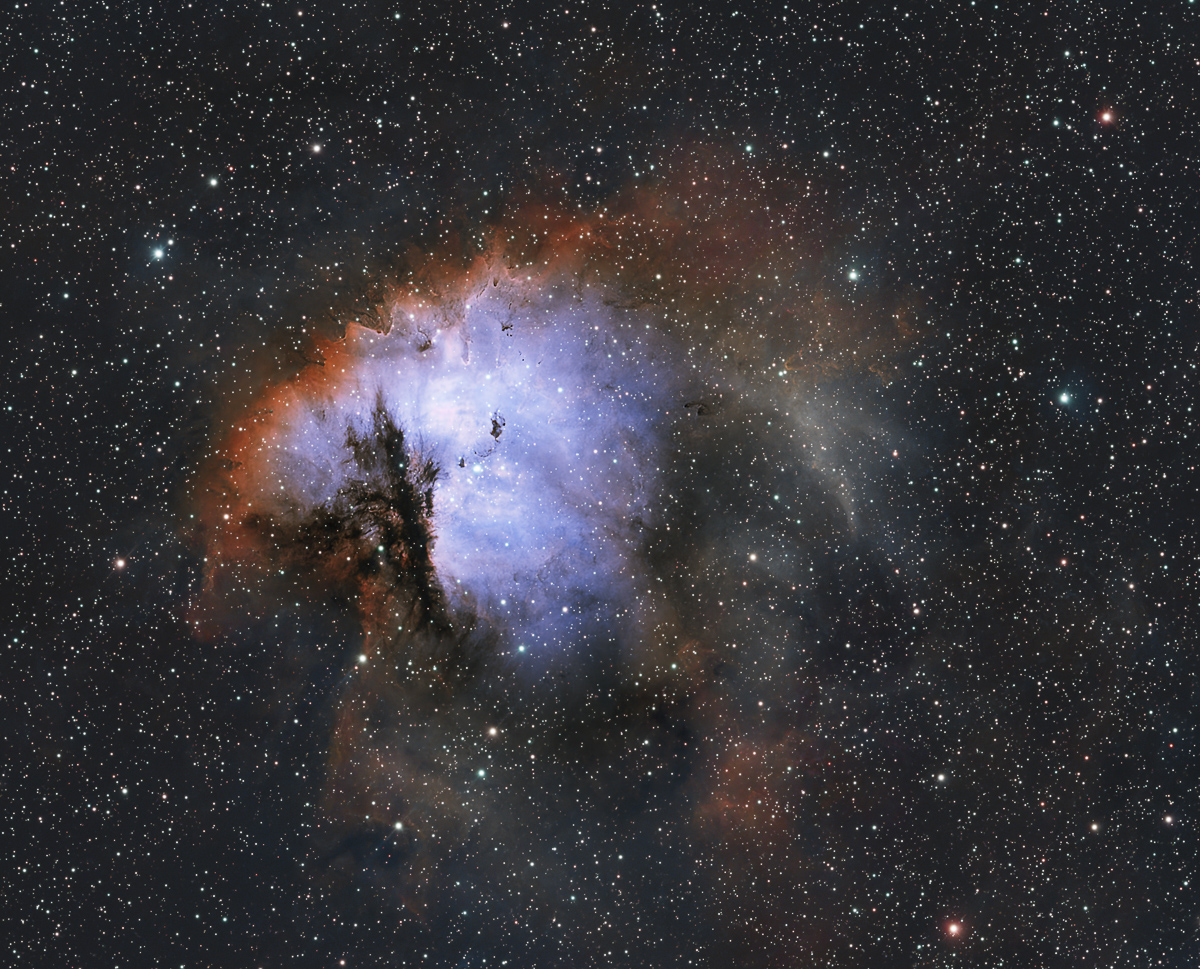
NGC 281 Pacman Nebula, 20.,21.12.2025
Nikon D7500a, 600mm f/4 + 1.4 TC (840mm f/5.6)
ISO 1600, 86 x 5 min. (7 h 10 min.),
 L-Ultimate Optolong Dualband Filter
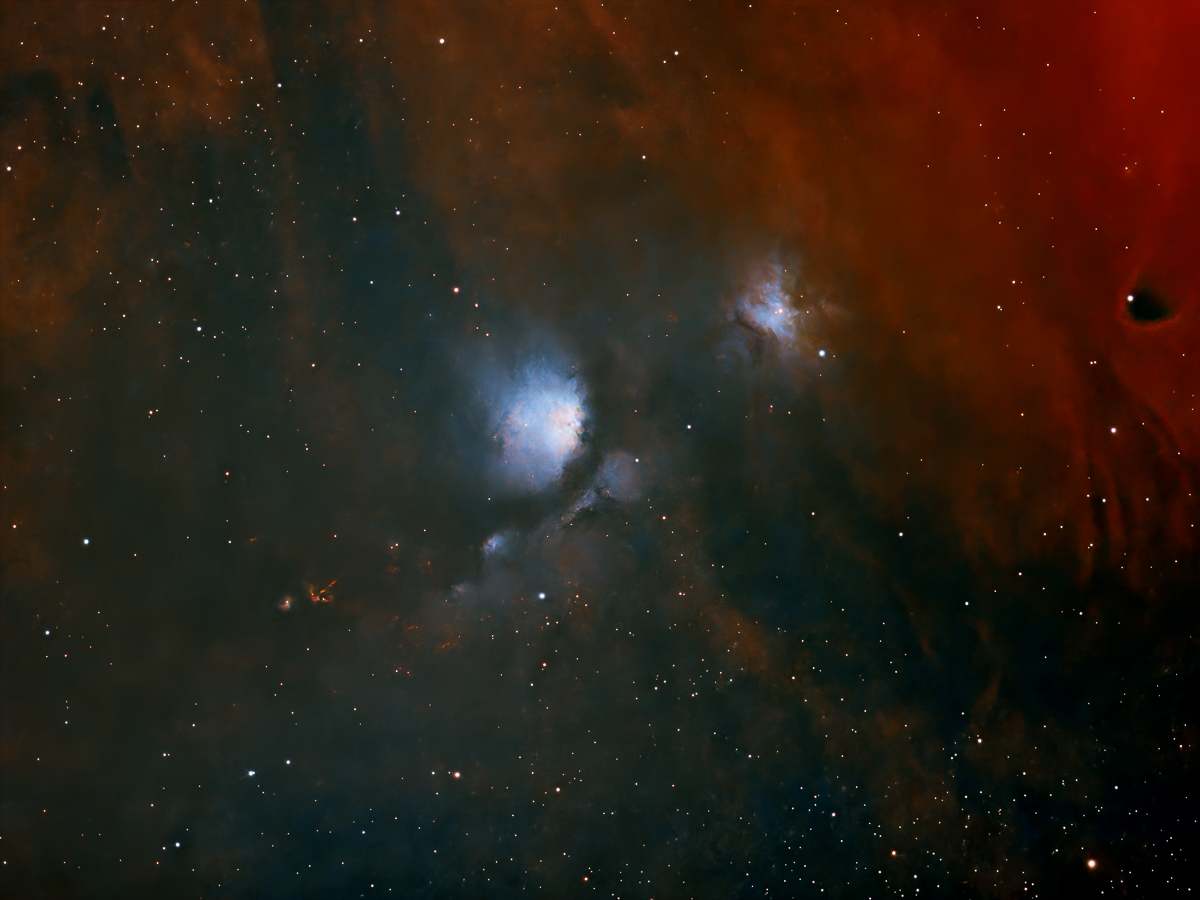
NGC 281 Pacman Nebula, 20.,21.12.2025 Nikon D7500a, 600mm f/4 + 1.4 TC (840mm f/5.6) ISO 1600, 86 x 5 min. (7 h 10 min.), L-Ultimate Optolong Dualband Filter
M78, April 2026
Nikon D7500a, 600mm f/4 + 1.4 TC (840mm f/5.6)
ISO 1600, 129 x 5 min. (10h 45min.),
 L-Ultimate Optolong Dualband Filter
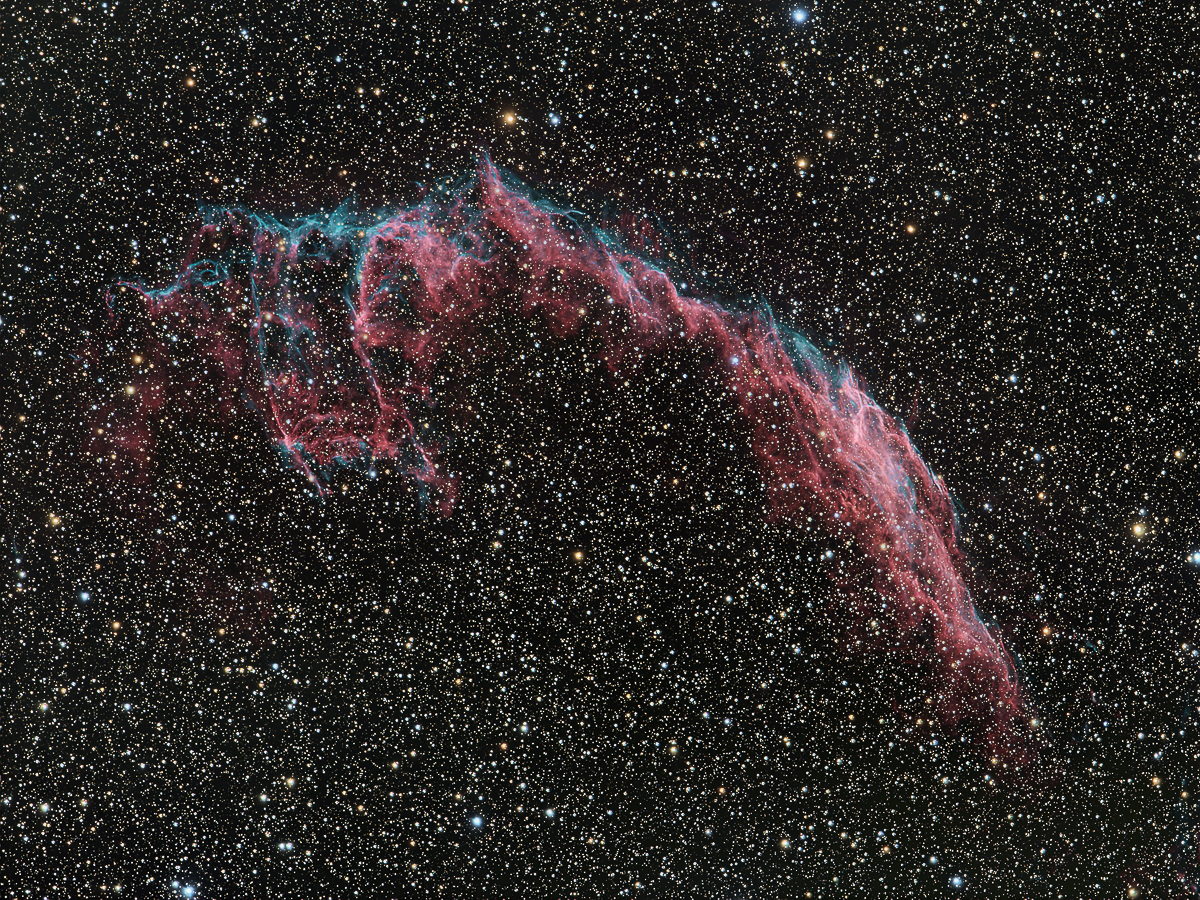
M78, April 2026 Nikon D7500a, 600mm f/4 + 1.4 TC (840mm f/5.6) ISO 1600, 129 x 5 min. (10h 45min.), L-Ultimate Optolong Dualband Filter
NGC 6992 in Cygnus, 5.-7. Oct. 2026
Nikon D7500a, 600mm f/4
ISO 1600, 66 x 5 min. (5.5 h)
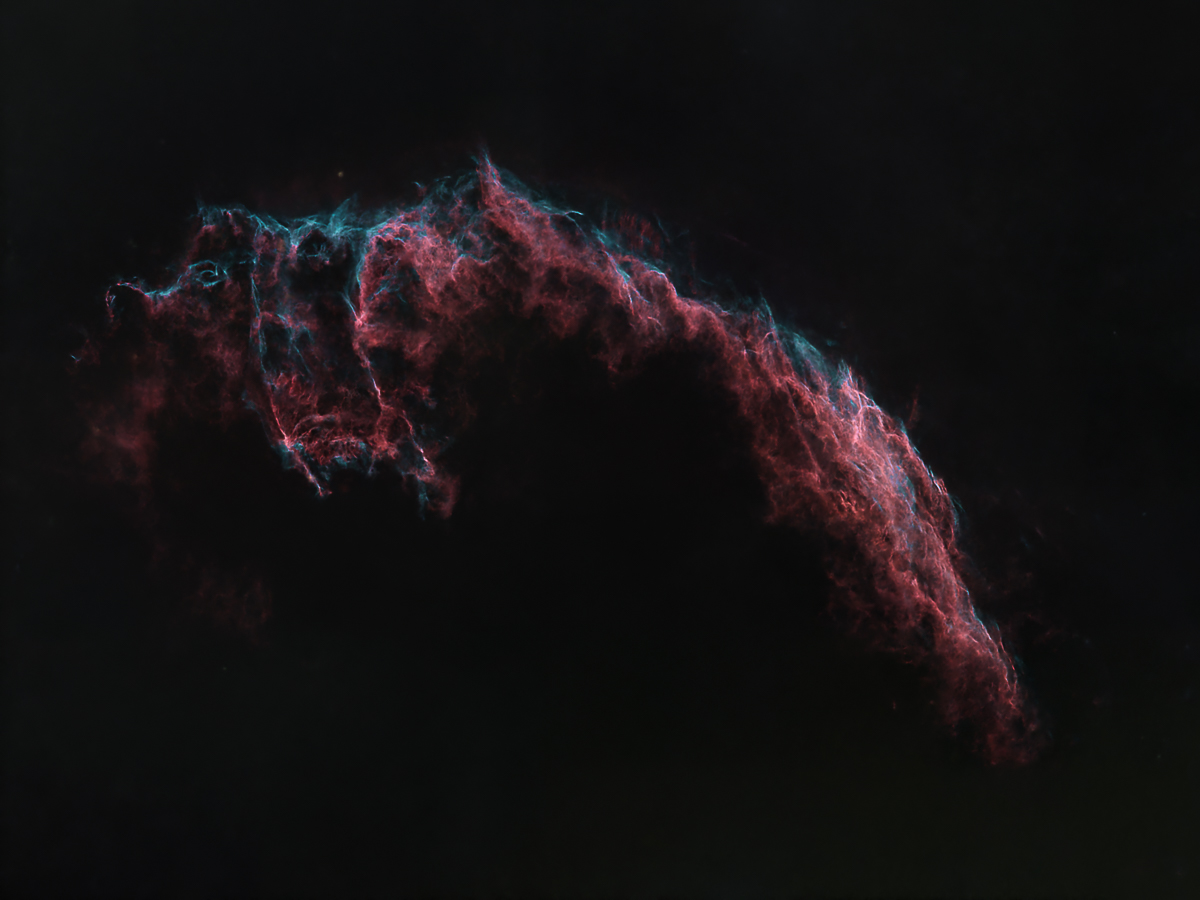
NGC 6992 in Cygnus, 5.-7. Oct. 2026 Nikon D7500a, 600mm f/4 ISO 1600, 66 x 5 min. (5.5 h)
https://0501.nccdn.net/4_2/000/000/038/2d3/ngc6992_only_nebula.jpg
0


Nature and Astrophotography


Mike Androsch


New - October 2026


NGC 6992 in Cygnus, 5.-7. Oct. 2026

Nikon D7500a, 600mm f/4

ISO 1600, 66 x 5 min. (5.5 h)

 After many months of bird photography, I mounted my trusty 600mm f/4 lens on my telescope mount again and was happy to get everything working again.


In the constellation of Cygnus the Swan, there are remnants of a supernova explosion. The source of the supernova was a star 20 times more massive than our sun, which exploded between 10,000 and 20,000 years ago. At the time of the explosion, the supernova would have appeared brighter than Venus in the sky, and was visible in the daytime. The remnants have since expanded to cover an area of the sky roughly 3 degrees in diameter, 36 times the area of the full Moon. The brighter parts of the Cygnus Loop as it is also called, have their own names and this part is designated NGC 6992 (info with the help of wikipedia). It just fit on my chip.
Because there are so many milky way stars in the area, I am also showing an image where my software removed them, so you can see the nebula more clearly. The shock waves are still pushing out hydrogen (red) and oxygen (blue) from the original star.

close lightbox